Industrial Dampers for Precision Airflow Control | Optimize Ventilation

All Categories
Dampers: Controlling Airflow in Ventilation Systems

Dampers: Controlling Airflow in Ventilation Systems

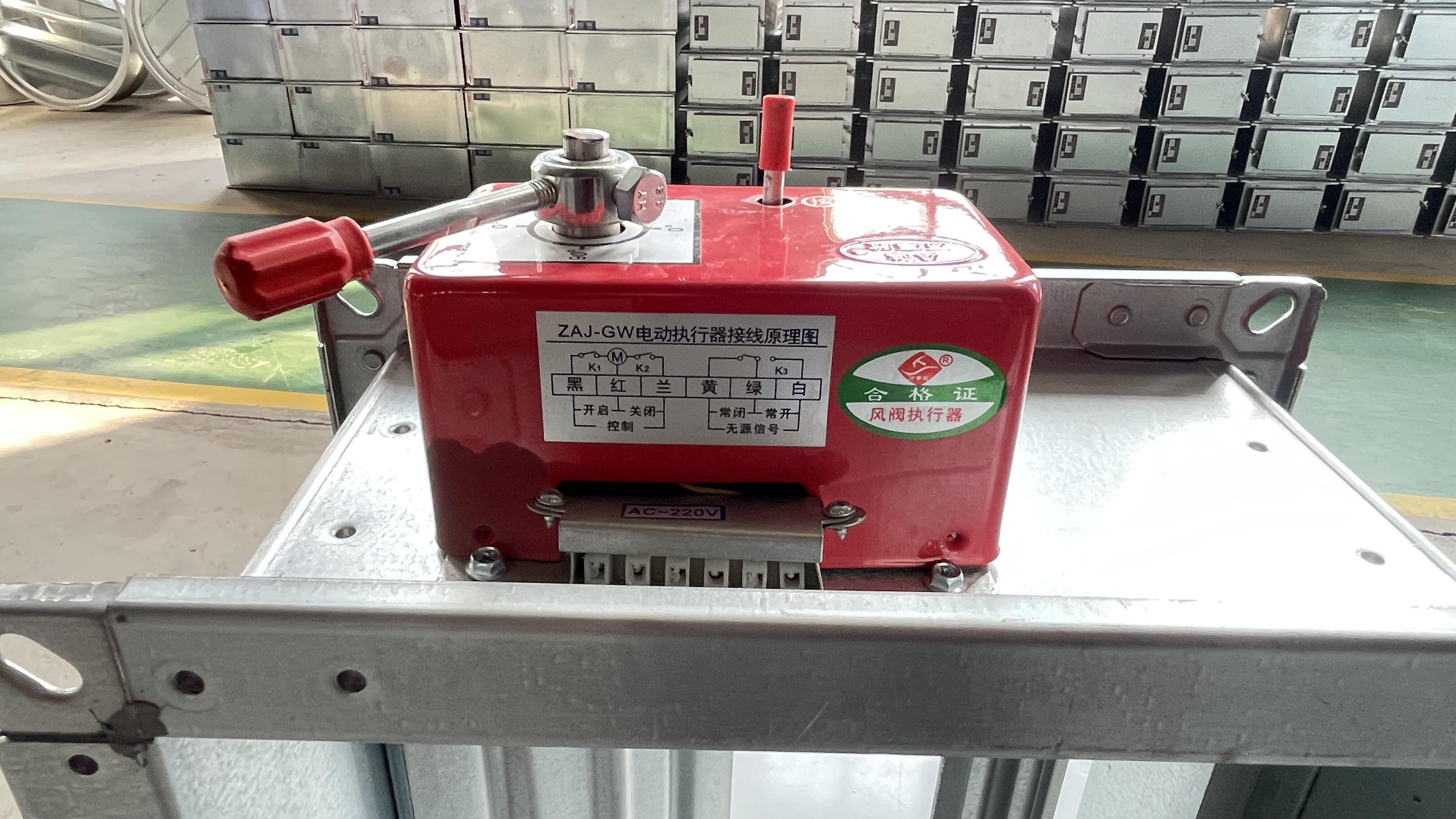
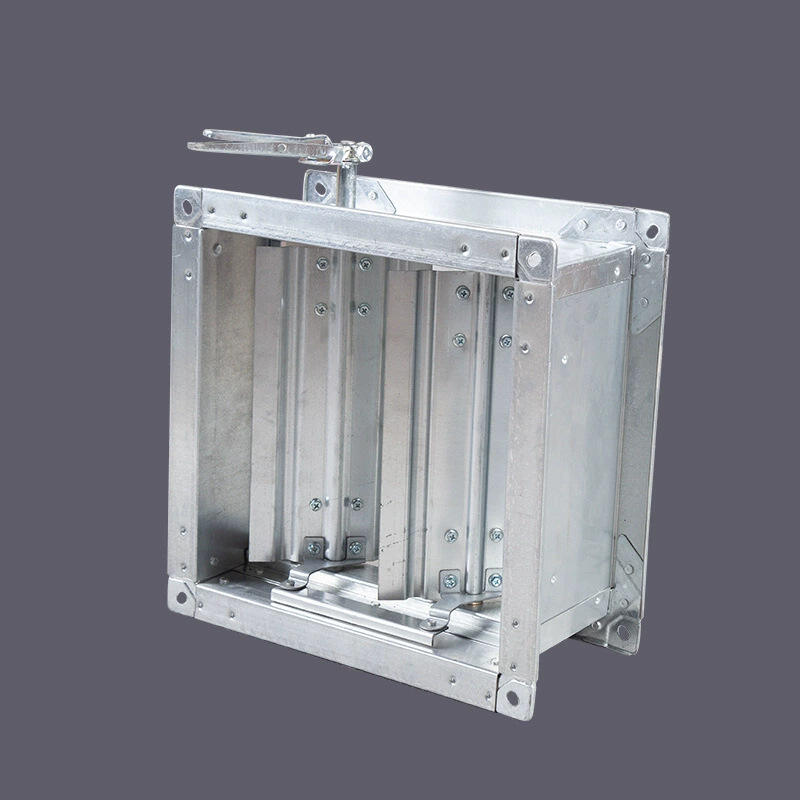
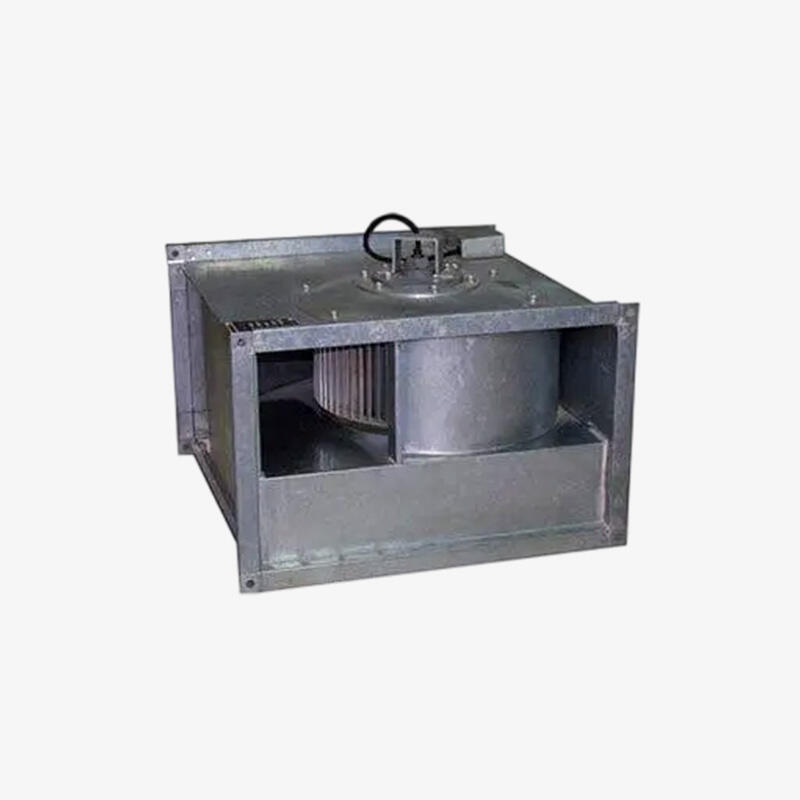
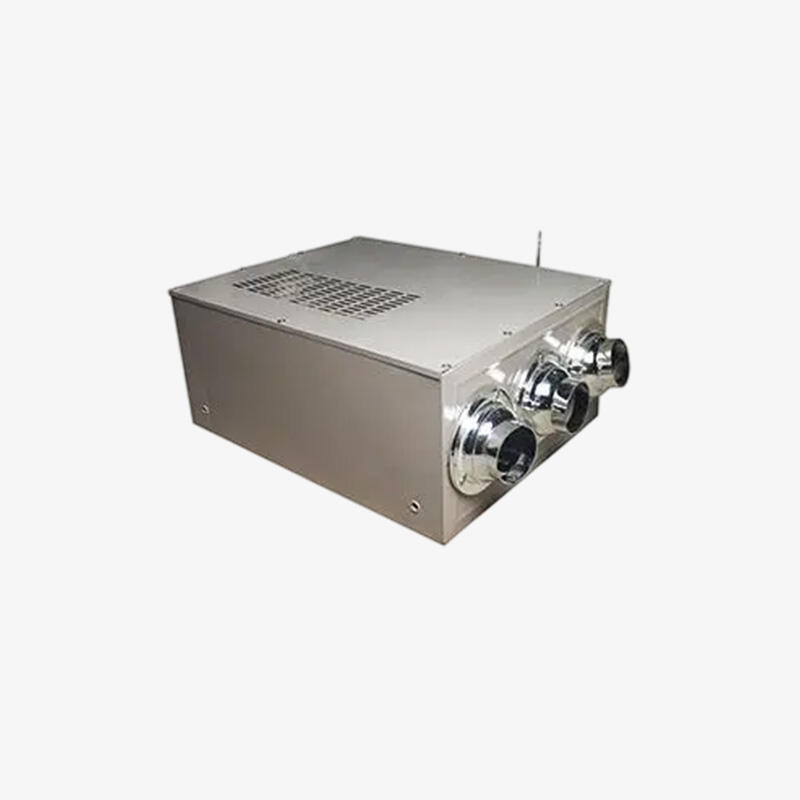
Dampers, also known as air valves or regulators, are used to control the flow rate and direction of air within ventilation systems. They can be manually or automatically adjusted to meet different ventilation needs, such as regulating air volume during peak and off - peak hours or redirecting airflow for specific areas. Our dampers are available in various types, including butterfly dampers, modulating dampers, and fire dampers, each designed for specific functions and applications, providing flexible and reliable control over ventilation system operations.
Get A Quote

Advantages of the product

Precise Flow Control

Damper regulators can manually or automatically adjust the flow and direction of the airflow in the ventilation system accurately, ensuring the system operates as required and improving efficiency.

Diverse Adjustment Modes

Equipped with various adjustment modes, such as proportional adjustment and on-off adjustment, they can adapt to different ventilation conditions and achieve flexible control.

Related products

Within the complex network of a building's heating, ventilation, and air conditioning (HVAC) system, the integration of certified life-safety devices is non-negotiable, and specifying mandik fire dampers represents a commitment to the highest standards of passive fire protection. Mandik fire dampers are critical components engineered to maintain the fire-resistance rating of walls, floors, and partitions where they are penetrated by ductwork. In the event of a fire, the elevated temperature causes an integrated fusible link to melt, or an electrical or pneumatic signal to be sent, which releases a mechanism that closes the damper's curtain or blades, effectively sealing the duct opening and preventing the spread of flames and superheated gases from one fire compartment to another. The design and construction of mandik fire dampers adhere to rigorous international standards, ensuring they provide a reliable barrier for a specified period, typically 90 minutes or more, giving occupants crucial time to evacuate and facilitating safer access for firefighting personnel. These dampers are manufactured from robust galvanized or stainless steel components, ensuring mechanical integrity and resistance to deformation under extreme heat. The selection process for mandik fire dampers is a precise science, requiring careful matching of the damper size and type to the duct dimensions and the specific fire rating of the barrier being penetrated, whether it is a gypsum wall board partition or a concrete floor slab. Installation must be performed strictly in accordance with the manufacturer's guidelines and local building codes, often involving the use of listed sleeves or retaining angles, to ensure the damper's performance is not compromised. Regular access and maintenance are also facilitated by the design of mandik fire dampers, with features like inspection doors or removable duct sections allowing for periodic testing and resetting as required by fire safety regulations. By incorporating mandik fire dampers into the building design, architects and engineers provide a fundamental layer of safety that contains fire at its source, mitigating property damage and, most importantly, protecting human life. The use of such certified and reliable components is a testament to a project's overall dedication to safety, compliance, and quality construction. In summary, mandik fire dampers are not merely HVAC accessories but are essential, code-mandated safety devices that perform a silent, yet potentially life-saving, function throughout the life of the building.

Common problem

What are the functions of dampers?

Dampers are used to control the flow rate and direction of air in a ventilation system. They can be adjusted manually or automatically to regulate airflow.
Automatic dampers are controlled by sensors (e.g., temperature, pressure sensors) or building management systems. These sensors send signals to adjust the damper position for optimal airflow.
Yes, by controlling the airflow, dampers can prevent unnecessary air circulation. This reduces the load on heating and cooling systems, saving energy.

Related article

The Critical Role of Fire Dampers in Modern Building Safety Systems

09

Jan

The Critical Role of Fire Dampers in Modern Building Safety Systems

In the design and operation of modern buildings, safety is an uncompromisable core priority. Among the numerous safety components that safeguard lives and property, fire dampers stand out as a vital line of defense against the spread of fire and smo...
View More
Why Your Ventilation System Needs a Smoke Exhaust Valve

07

May

Why Your Ventilation System Needs a Smoke Exhaust Valve

Understanding Smoke Exhaust Valves in Fire Safety Ventilation SystemsWhat is a Smoke Exhaust Valve?A smoke control damper is a critical part of fire safety ventilation systems which are intended to extract smoke from buildings in the event of a ...
View More
Innovative Solutions for Commercial HVAC Diffusers

07

May

Innovative Solutions for Commercial HVAC Diffusers

Key Types of Commercial HVAC DiffusersDirectional Diffusers for Flexible Airflow Control Directional diffusers give us control over where the air goes, which really helps keep things balanced in different kinds of buildings. These devices are made sp...
View More
Enhancing Indoor Air Quality with HVAC Vent Diffusers

07

May

Enhancing Indoor Air Quality with HVAC Vent Diffusers

Understanding HVAC Vent Diffusers' Role in Indoor Air QualityHow Vent Diffusers Influence Air Circulation Patterns Vent diffusers play a really important part in how air moves around a space, since they have a major effect on circulation patterns and...
View More

Customer Reviews

Emma

These dampers are reliable and work smoothly. They help us manage the ventilation system effectively.

Olivia

I'm very satisfied with the dampers. They are durable and perform well in regulating airflow.

Get a Free Quote

Our representative will contact you soon.
Email
Mobile/WhatsApp
Name
Company Name
Message
0/1000
Precise Control, Flexible Operation

Precise Control, Flexible Operation

The dampers provide precise control over the flow rate and direction of air in ventilation systems. They can be adjusted manually or automatically according to different ventilation requirements. Whether it's to balance air pressure, regulate air volume, or direct airflow, the dampers offer the flexibility needed to optimize the performance of ventilation systems.