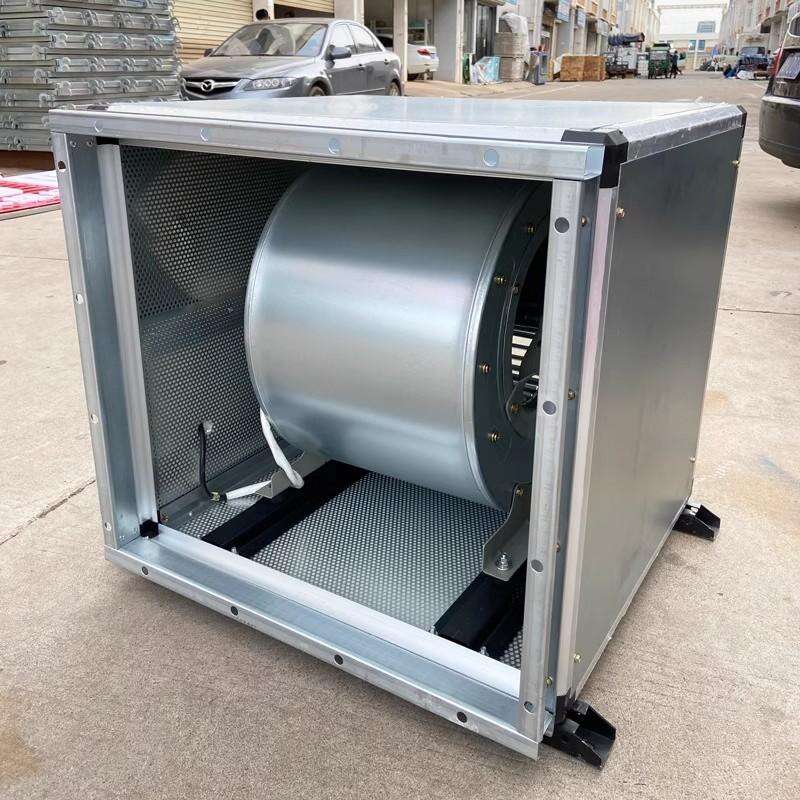

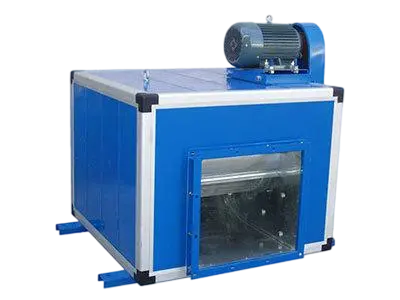
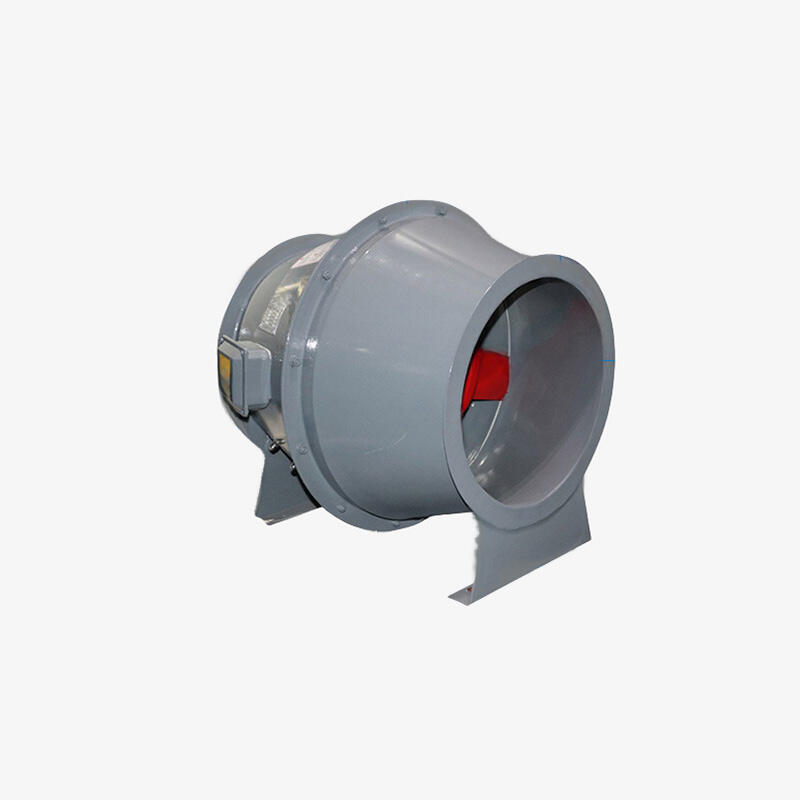
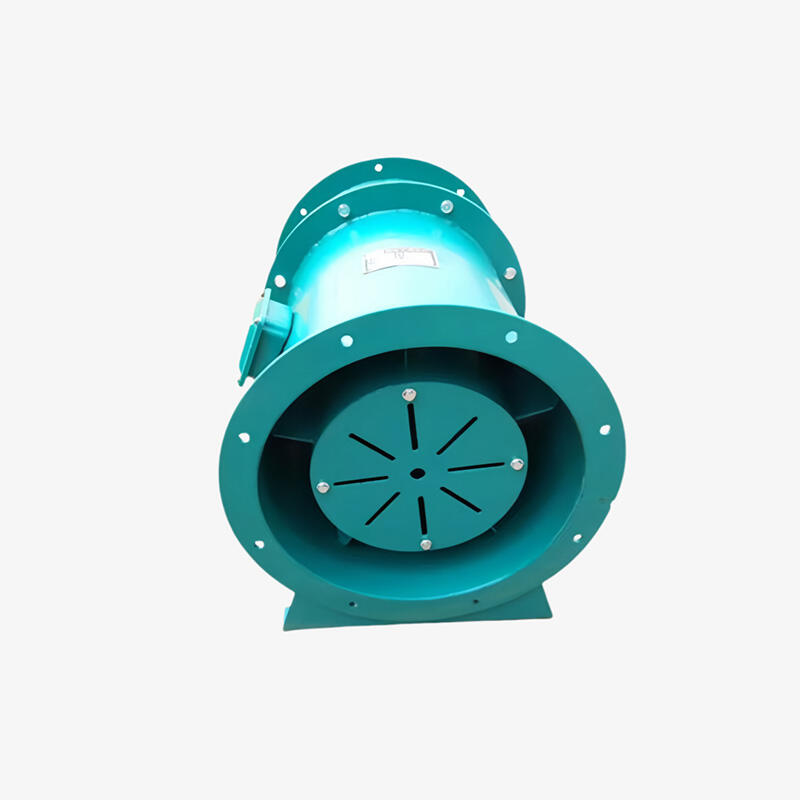
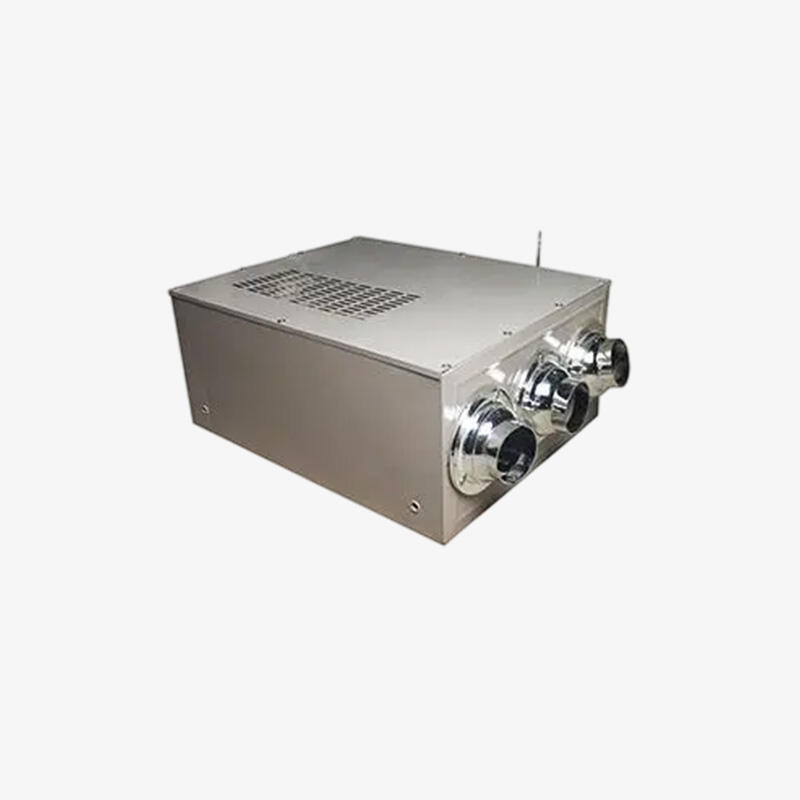

The deployment of an energy saving cabinet centrifugal fan is a strategic engineering decision central to reducing the lifetime operational costs and environmental footprint of modern HVAC systems, leveraging advanced aerodynamic design, high-efficiency motor technology, and intelligent control integration to minimize electrical power consumption while delivering precise and reliable airflow. These fans, housed within a rigid, acoustically insulated cabinet that attenuates sound transmission, utilize a backward-curved or airfoil-shaped centrifugal impeller—a design proven for its stable performance across a wide range of operating points and superior efficiency compared to forward-curved alternatives. The quest for energy saving is further amplified by pairing this impeller with an EC (Electronically Commutated) motor, which offers inherent variable speed capability, precise control, and significantly higher part-load efficiencies than traditional AC motors with variable frequency drives, allowing the fan to exactly match its output to the dynamic demands of the ventilation system. The cabinet itself contributes to performance by providing an optimized inlet and outlet configuration that minimizes system effect losses, ensuring the fan performs as per its published curve when installed. For facility managers and sustainability officers, the benefits of an energy saving cabinet centrifugal fan extend beyond direct kWh savings; their quiet operation enhances occupant comfort, their robust construction with accessible service doors reduces maintenance downtime, and their compatibility with building management systems (BMS) enables sophisticated strategies like demand-controlled ventilation or optimal start/stop sequences. In applications ranging from commercial air handling units and industrial process ventilation to specialized exhaust systems, specifying a fan that prioritizes energy saving through certified performance metrics, such as those outlined in AMCA or Eurovent standards, is a tangible step toward achieving corporate sustainability goals and complying with increasingly stringent building energy codes, making it imperative to select a manufacturer with proven expertise in aerodynamic testing, motor technology, and the ability to provide customized solutions that align with specific static pressure, airflow, and acoustic requirements for the project at hand.