
 EN
EN
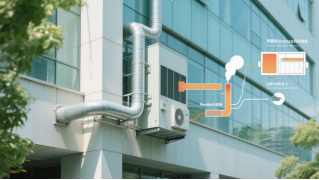
In the global pursuit of carbon neutrality and green development, sustainable design has become a core criterion for modern architecture—whether commercial buildings, industrial facilities, or residential projects. Among the key elements of sustainable design, ventilation systems play a pivotal role: they not only maintain indoor air quality but also directly impact energy consumption. Traditional ventilation systems often waste a significant amount of thermal energy during air exchange, leading to increased energy use and environmental burdens. This is where ventilation systems with heat recovery (HRV) step in, bridging the gap between air quality and energy efficiency. As an innovative enterprise specializing in ventilation equipment R&D, sales, and customized services, Jinan Huifengquan is at the forefront of integrating heat recovery technology into high-performance ventilation solutions, empowering sustainable design with professional products and technical support.
What is Heat Recovery Ventilation (HRV) and Its Core Advantages
Heat recovery ventilation (HRV) systems are advanced ventilation solutions that recover thermal energy from exhaust air to precondition incoming fresh air. During operation, the system transfers heat between the outgoing polluted air and incoming fresh air through a heat exchanger—warming cold fresh air in winter and cooling hot fresh air in summer. This process significantly reduces the energy required to heat or cool incoming air, achieving dual goals of energy conservation and improved indoor comfort.
The core advantages of HRV systems align perfectly with sustainable design principles. Firstly, they enhance energy efficiency by reducing heating and cooling loads by up to 40%, as verified by industry data, which directly lowers carbon emissions. Secondly, they ensure consistent indoor air quality by continuously supplying filtered fresh air while expelling pollutants, addressing the problem of "dead zones" in traditional ventilation. Thirdly, HRV systems contribute to cost savings for building operators and residents by cutting long-term energy bills. For green buildings aiming to meet international standards such as LEED or local certifications like China’s Green Building Standard, HRV systems have become an indispensable component.
How High-Quality Ventilation Equipment Enhances HRV Performance
The effectiveness of an HRV system depends largely on the quality and compatibility of its core components. Jinan Huifengquan, with its 30,000-square-meter production workshop, over 200 sets of intelligent production equipment, and 16 assembly lines, manufactures a full range of ventilation products that perfectly complement HRV systems. For example, mixed flow ventilation fans—one of the company’s flagship products—combine the high pressure of centrifugal fans and the high airflow of axial flow fans, ensuring efficient air circulation in HRV systems with low energy consumption and noise levels (as low as 25dB). Centrifugal smoke exhaust fans and low-noise cabinet fans, designed for harsh conditions, provide reliable support for HRV systems in industrial and commercial settings, where air volume and stability are critical.
In addition to fans, key components such as aluminum alloy air outlets, diffusers, and regulating valves optimize air distribution in HRV systems, ensuring uniform airflow and maximizing heat exchange efficiency. Fire dampers and smoke exhaust valves, certified by the Emergency Management Department’s Fire Product Qualification Assessment Center (CCCF certification), integrate safety with sustainability—preventing smoke spread by up to 80% while maintaining the system’s energy-saving performance. Equipped with an advanced fan performance testing laboratory, Jinan Huifengquan ensures that every product meets strict quality standards, laying a solid foundation for the stable operation of HRV systems.
Application Scenarios of HRV Systems in Green Buildings
HRV systems with high-quality ventilation equipment have wide-ranging applications across different building types, demonstrating their versatility in sustainable design. In commercial buildings such as office towers and shopping malls, where occupancy is high and ventilation demands are intense, HRV systems paired with Jinan Huifengquan’s low-noise cabinet fans and diffusers maintain fresh air supply while reducing HVAC energy consumption by 30% or more. Industrial facilities benefit from the combination of mixed flow ventilation fans and fire dampers, as the system not only recovers heat from industrial exhaust but also meets strict fire safety requirements, aligning with ISO14001 environmental management system standards.
Residential projects, especially high-end communities and green homes, rely on HRV systems integrated with roof fans and static pressure boxes to provide quiet, energy-efficient ventilation. These systems recover heat from household exhaust air, reducing the energy needed for heating in winter and improving indoor air quality year-round. Jinan Huifengquan’s customized ventilation solutions, tailored to complex systems, have been successfully applied in projects such as transportation tunnels and large-scale commercial complexes, proving the adaptability of HRV systems in diverse scenarios.
Huifengquan’s Commitment to Sustainable Ventilation Solutions
Jinan Huifengquan’s dedication to sustainable design is rooted in its strong technical strength and strict quality management. The company has obtained ISO9001 quality system certification, OHSAS18001 occupational health and safety management system certification, and holds multiple national utility model patents. Its production lines feature a high degree of intelligence, and the comprehensive testing equipment ensures that each product—from centrifugal smoke exhaust fans to seismic brackets—meets international standards for energy efficiency and reliability.
With a global vision, Jinan Huifengquan aims to provide efficient, energy-saving ventilation system solutions to customers worldwide. The company’s professional engineers work closely with clients to design customized HRV solutions, whether for standard air quality equipment or complex HVAC systems. Adequate warehouse storage and guaranteed after-sales service further enhance customer trust, making Jinan Huifengquan a trusted partner in sustainable building projects.
Conclusion: Embracing HRV for a Greener Future
As sustainable design becomes increasingly important in the architecture industry, ventilation systems with heat recovery have emerged as a key technology to achieve energy conservation, emission reduction, and improved indoor air quality. High-quality ventilation equipment, such as those produced by Jinan Huifengquan, is essential to unlocking the full potential of HRV systems—ensuring efficiency, reliability, and safety.
By integrating mixed flow fans, centrifugal smoke exhaust fans, fire dampers, and other professional products into HRV systems, Jinan Huifengquan is helping commercial, industrial, and residential projects achieve optimal air quality management while reducing environmental impact. For architects, engineers, and building owners committed to sustainable development, choosing a trusted ventilation partner like Jinan Huifengquan is not only a step toward meeting green building standards but also an investment in a more energy-efficient and livable future. As the world moves toward carbon neutrality, HRV systems will continue to play a vital role in sustainable design, and Jinan Huifengquan will remain at the forefront of innovation, driving the development of green ventilation technology.