
 EN
EN
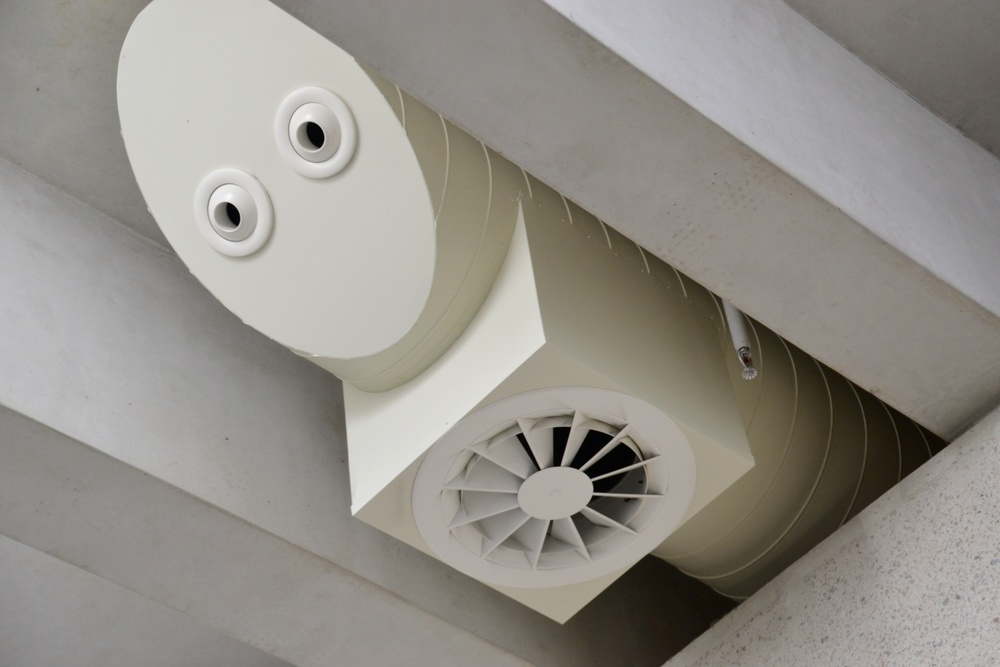
Understanding the Role of HVAC Vent Diffusers in Air Distribution
HVAC Diffuser Function and Air Distribution Explained
HVAC vent diffusers serve as pretty important regulators for air flow. They take that strong blast of air coming from the system and spread it out in a way that makes sense for the space. Most modern vents have those adjustable slats plus holes in them too. This helps control how fast the air moves around the room, usually somewhere between half a meter per second to about two and a half meters per second depending on what kind of space needs cooling or heating. What these devices do basically is mix the conditioned air from the HVAC system with whatever air is already in the room. The mixing happens in multiple directions which cuts down on those annoying cold spots near windows or doorways while still keeping temperatures consistent throughout most areas of a building.
Airflow Patterns and Diffusion Techniques in HVAC Systems
Today's diffusers mainly work through two approaches. For open spaces, there's the ceiling mounted radial flow option. And when directional control matters, wall mounted linear flow becomes the go to solution. Choosing the right type can boost how well air mixes throughout a space by somewhere around 30 to maybe even 40 percent better than just letting air escape through regular vents. Then we get to jet diffusers which have throw distances anywhere between about five feet up to fifteen feet. These let HVAC techs adjust where the airflow goes without creating uncomfortable pressure spikes in certain areas. The result? People stay comfortable while the whole system runs more efficiently at the same time.
Function of Return Air Diffuser in HVAC Systems
The right air diffusers keep things balanced in an HVAC system so it doesn't cycle on and off too much or run inefficiently. Most models have around 50 to 70 percent free area which lets enough air flow back while keeping people from feeling that annoying pull near their faces. When installers put these near heat sources such as windows or office equipment, buildings stay at more consistent temperatures throughout the day. This smart placement actually cuts down on wasted energy because the system isn't constantly fighting itself trying to correct temperature swings.
Principles of Effective Airflow Distribution Through HVAC Diffusers
Factors Affecting Airflow Velocity and Distribution
Airflow effectiveness really comes down to three main factors: what's happening with the duct pressure, how the diffusers are shaped, and the overall room configuration. When there are pressure changes in the ducts that go beyond about 15%, this can mess up the even distribution of air throughout a space, sometimes cutting uniformity by as much as 35% in places like offices or retail stores. Putting those air diffusers somewhere between seven and nine feet from the ground tends to work best for mixing air around properly without creating uncomfortable drafts near windows or doors. Most HVAC professionals follow ASHRAE guidelines which recommend keeping air speeds under 0.25 meters per second where people actually spend time. This approach helps ensure that buildings stay comfortable regardless of when folks are moving through them during different parts of the day.
Airflow Patterns in Diffusers: Multi-Directional Flow and Ceiling/Wall Attachment Effects
The advanced diffusers make use of something called the Coanda effect which basically makes air stick to surfaces like ceilings or walls before it moves across the room. This means that when we talk about multi directional models, they actually manage to reach around 30 percent more space compared to regular ones, all while keeping air speeds below about 0.15 meters per second. For wall mounted versions, there's this interesting 2 to 1 relationship between air movement and surface contact that helps maintain consistent temperature layers throughout larger spaces. These systems work really well even in areas as big as 400 square feet where proper air distribution matters most for comfort and efficiency.
Jet Diffusers and Throw Distance: Maximizing Coverage Efficiently
Jet diffusers can push air across spaces at speeds between 1.5 and 3 meters per second, covering distances from 15 to 25 feet. This makes them great choices for big open rooms where even distribution matters most. The way these diffusers work creates a smoother airflow pattern that cuts down on energy loss by around 40 to 60 percent when compared with traditional swirl models. Most engineers rely on a simple calculation to figure out how well they'll cover a given space: take the square root of the airflow rate in cubic feet per minute and multiply by 0.8. This helps match the diffuser's reach to actual room sizes while keeping air movement at floor level under 0.25 m/s so people don't feel uncomfortable drafts.
Enhancing Indoor Comfort with Temperature Uniformity and Directional Control
Achieving Temperature Uniformity Through Strategic HVAC Vent Diffuser Design
Good diffuser design strikes a balance between airflow volume and direction so temperature differences stay minimal throughout spaces. When placed strategically, these devices can cut down on those annoying hot and cold spots by around 40 percent, as reported by ASHRAE last year. Diffusers arranged in circles or straight lines attached to ceilings help mix air more evenly across rooms, keeping temperature swings under about 1.5 degrees Fahrenheit in most areas where people actually spend time. Maintaining this kind of consistent climate matters a lot for places where comfort really counts, such as office buildings and hospitals where even small temperature changes can affect productivity and patient recovery.
Adjustable Louvers for Personalized Directional Airflow Control
Adjustable louvers offer ±30° vertical and horizontal control, allowing users to direct airflow where needed without sacrificing system efficiency. Building automation data shows such diffusers reduce occupant complaints by 62% compared to fixed models. Real-time adjustments help avoid drafts and support compliance with ISO 7730 ergonomic standards for thermal comfort.
Directional Flow Capabilities in Modern Diffusers for Occupant Comfort
Contemporary diffusers integrate directional vanes and jet nozzle technology to achieve throws up to 15 feet while keeping airspeeds under 50 fpm—ensuring rapid conditioning without discomfort. In high-traffic areas like open-plan offices, smart diffusers equipped with occupancy sensors dynamically redirect airflow, improving ventilation effectiveness by 28% (Indoor Air Quality Journal 2023).
Optimizing Energy Efficiency and System Performance with Strategic Diffuser Use
Properly designed HVAC vent diffusers enhance system balance and reduce energy waste by eliminating uneven temperatures that trigger overuse. Optimized air distribution lowers fan loads, minimizes stratification, and supports consistent indoor conditions.
Energy Efficiency Gains from Balanced Air Distribution via HVAC Vent Diffusers
Even airflow distribution can reduce HVAC energy consumption by up to 15% (ASHRAE 2022). By reducing duct pressure drops, well-placed diffusers enable lower fan speeds to maintain setpoints, decreasing overall power demand and supporting long-term efficiency.
Reduced System Cycling and Load Balancing Through Even Airflow
Optimized diffusion reduces HVAC cycling frequency by 20–35% compared to poorly configured systems (National Renewable Energy Lab 2023). Fewer start-stop cycles extend compressor and blower life, while consistent dispersion allows deeper temperature setbacks during unoccupied periods without delaying recovery.
Impact of Diffusers on Indoor Air Quality and Ventilation Effectiveness
High-performance diffusers improve air mixing, reducing airborne contaminant concentrations by 40–60% in controlled studies. Enhanced ventilation effectiveness means systems can meet IAQ standards with 10–15% less outdoor air intake, lowering heating and cooling loads. Low-resistance blade designs further cut fan energy requirements.
Innovations in Smart and Adjustable Diffuser Technologies
Customizable Airflow with Adjustable Diffuser Features
Modern diffusers feature adjustable louvers and dampers for precise control over direction and volume. Manual adjustments or motorized actuators enable seasonal tuning, balancing comfort and efficiency. This adaptability reduces thermal imbalances by 40% compared to fixed units (ASHRAE 2023).
Smart Diffusers: Automated Directional Adjustment and Remote Control
Next-generation diffusers integrate with building automation systems, using occupancy sensors and climate algorithms to optimize airflow in real time. Facility managers can adjust settings remotely via mobile apps, while homeowners use voice commands or preset profiles. These systems sustain uniform temperatures and prevent energy waste from overcooling or overheating.
Future Trends: AI-Driven Adaptive Air Distribution Systems
New AI powered systems look at past usage patterns along with environmental conditions to figure out just how much airflow is needed based on who might be around later. According to a study published by researchers at Purdue last year, buildings equipped with this kind of smart setup actually hit their desired temperature about 22 percent quicker and save roughly 18 percent on energy costs compared to older methods. What makes these systems even better is that they can eventually work together with indoor air quality sensors. This combination allows for real time adjustments that keep people comfortable without sacrificing proper ventilation levels when necessary.
FAQ Section
What is the primary function of HVAC diffusers?
HVAC diffusers primarily regulate and distribute airflow throughout a space to maintain consistent and comfortable temperatures by mixing conditioned air with the existing air.
How do diffusers contribute to energy efficiency in HVAC systems?
Diffusers help enhance energy efficiency by promoting even air distribution, reducing system cycling and load, and minimizing pressure drops, all of which decrease overall power demand.
What are adjustable louvers, and why are they important?
Adjustable louvers are components of diffusers that allow vertical and horizontal control of airflow direction, enabling personalized comfort and improving overall system efficiency.
What technological innovations are present in modern diffusers?
Modern diffusers often include features like adjustable louvers, motorized actuators, smart automation integration, and AI-driven systems for real-time airflow optimization based on environmental conditions and usage patterns.
Table of Contents
- Understanding the Role of HVAC Vent Diffusers in Air Distribution
- Principles of Effective Airflow Distribution Through HVAC Diffusers
- Enhancing Indoor Comfort with Temperature Uniformity and Directional Control
- Optimizing Energy Efficiency and System Performance with Strategic Diffuser Use
- Innovations in Smart and Adjustable Diffuser Technologies
- FAQ Section