
 EN
EN
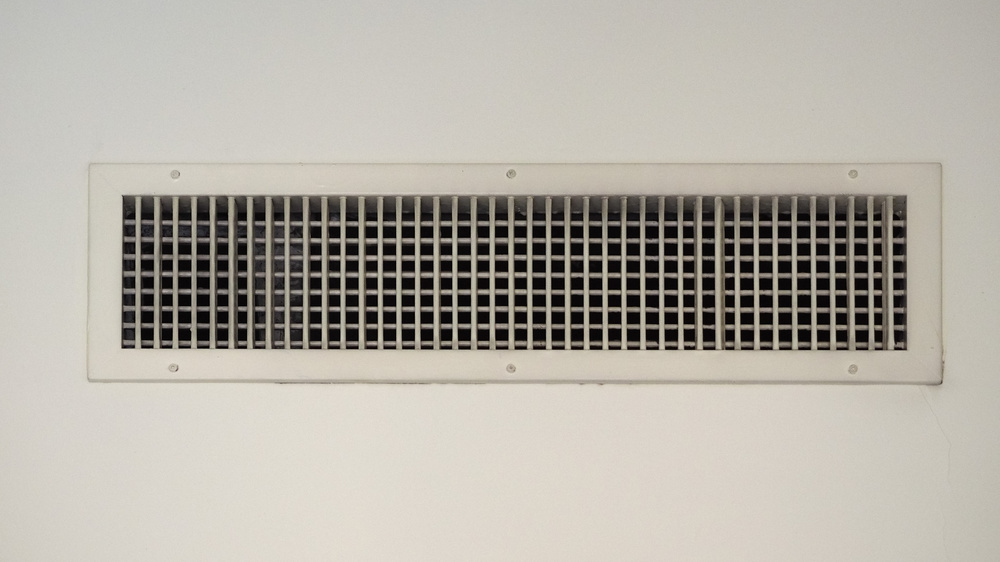
Airflow Requirements and HVAC Vent Diffuser Performance
How Airflow (CFM) Requirements Influence HVAC Vent Diffuser Performance
Getting the right amount of airflow matters a lot for how well an HVAC vent diffuser works at keeping people comfortable while also being efficient. The numbers matter too since residential systems usually handle between 800 to 1,200 cubic feet per minute. That means installers need to pick diffusers with bigger openings and slower air speeds so the conditioned air spreads out evenly without making annoying noises. When diffusers are too small, they create extra resistance inside the system. This makes everything work harder and can actually bump up energy bills by around 15%, according to REMARS research from last year. On the flip side, going too big isn't good either. Oversized diffusers let air move too slowly through them, which results in uneven temperatures throughout the space and hot/cold spots becoming noticeable problems for occupants.
Matching Diffuser Size and Outlet Velocity to System Capacity
Getting the right match between diffuser size and HVAC system capacity is really important because it stops pressure problems that can wear out fans and compressors over time. Take for example a standard 48 inch by 12 inch linear diffuser. These typically work well for about 1800 cubic feet per minute in those big open office spaces as long as the air coming out stays under 400 feet per minute. When things don't line up properly, we get what's called "air dumping." This happens when the cooled or heated air just doesn't make it to where people actually are. The result? Some areas get too hot while others stay cold, making everyone uncomfortable and leading to complaints from building occupants.
Calculating Throw Distance for Effective Coverage in Different Room Sizes
The throw distance is basically where the supply air slows down to around 50 feet per minute, and this tells us if a diffuser will properly cover the area we need. Take a typical meeting room measuring 15 by 20 feet as an example. For good coverage there, most engineers aim for a throw distance between 12 and 14 feet. This can usually be done with an 8 inch round diffuser running at about 600 cubic feet per minute. When designing these systems, professionals rely on calculations such as Throw equals 0.75 multiplied by the square root of CFM times pressure. These equations help find that sweet spot between making sure everyone gets comfortable airflow while avoiding those annoying cold spots or areas that feel too stuffy.
Air Distribution Patterns and Directional Control for Optimal Comfort
Today's diffusers take climate control to another level thanks to their adjustable louvers and special swirl designs that really help mix the air properly. Take ceiling mounted radial diffusers for instance they spread air all around at 360 degrees, which works great in big spaces like hotel lobbies. Slot diffusers on the other hand push air along walls, perfect for those tight hallway areas where space is limited. The clever engineering behind these designs actually cuts down temperature layers in rooms by about 40 percent when compared with old fashioned fixed blade models. And let's face it nobody wants to walk into a room where one side feels like winter and the other like summer. Comfort matters, and these modern solutions deliver just that.
Proper Sizing and Airflow Balance for Maximum Efficiency
Importance of the Size of the Vent Diffuser in Maintaining Airflow Balance
Getting the right size diffusers makes all the difference when it comes to proper airflow balance and how well the whole system works. When they're sized wrong, HVAC systems can lose up to 30% efficiency according to ASHRAE research from last year. Good sized diffusers keep air moving at around 300 to 700 feet per minute. This range helps avoid those annoying dead spots where no air moves plus stops people from feeling blasted by cold air. If diffusers are too small, they create too much resistance in the system. That forces fans to work harder, eating up about 20% more energy. On the flip side, going too big means air speeds drop below 200 FPM, which basically defeats the purpose of good air distribution throughout the space.
Risks of Undersized vs. Oversized HVAC Vent Diffusers on System Performance
| Undersized Diffusers | Oversized Diffusers |
|---|---|
| Increased noise (45–55 dB) | Poor air mixing and stratification |
| Compressor short-cycling risks | Humidity retention in humid climates |
| Reduced lifespan of blower motors | Inconsistent room temperatures |
A 2023 HVAC optimization study found that 68% of retrofit projects required diffuser resizing to resolve airflow issues. Aligning diffuser capacity with room load calculations ensures efficient operation and consistent comfort.
Material Selection, Durability, and Design Integration
Common Materials Used in HVAC Vent Diffuser Manufacturing
Most HVAC vent diffusers come in three main materials these days: aluminum, galvanized steel, and various engineered plastics. The big advantage of aluminum is that it weighs about 40 percent less than steel but still holds up pretty well, which makes sense why installers often pick it for ceilings where weight matters. Galvanized steel can handle much stronger air pressure levels around 1.5 inches water gauge, so this material works best in bigger commercial buildings. For places with lots of moisture such as pool areas, ABS plastic tends to be the go to choice since it doesn't rot or degrade when exposed to constant dampness. Some research from Structures Insider suggests aluminum models typically stick around for somewhere between fifteen to twenty years under normal conditions, and they seem to hold up better than plastic ones during those repeated temperature changes we see throughout seasons.
Corrosion Resistance and Longevity in High-Humidity or Demanding Environments
In coastal or industrial settings, enhanced materials extend service life:
- Epoxy-coated steel: Resists salt spray for over 10 years
- Type 304 stainless steel: Withstands chemical exposure in industrial plants
- UV-stabilized polymers: Prevent degradation in sun-exposed outdoor units
Proper material selection prevents 87% of premature failures in high-humidity areas. For marine environments, galvanized steel with a 55% zinc coating increases lifespan by 200% compared to standard grades.
Aesthetic Integration of Vent Diffuser Materials With Interior Design
Contemporary diffusers support architectural aesthetics through:
- Brushed nickel finishes for luxury homes
- Custom powder-coated colors matching brand palettes
- Perforated wood veneer panels in hospitality spaces
Manufacturing insights show 68% of specifiers prefer subtle grille patterns (<0.5" blade spacing) for visual continuity in open offices. Retractable diffuser designs now fully conceal hardware when inactive, supporting minimalist interior themes.
Directional Control and Air Distribution Optimization
Role of Directional Airflow Control in Minimizing Drafts and Improving Comfort
Precise directional control reduces uncomfortable drafts by up to 62% in conditioned spaces (ASHRAE 2023). Adjustable diffusers allow targeted delivery of conditioned air into occupied zones, avoiding overspill into unoccupied areas. An airflow optimization study found that directional models reduced temperature stratification by 4–7 °F compared to fixed units in office environments.
Adjustable Louvers and Precision Airflow Direction for Customized Climate Control
Modern diffusers feature louvers with 15–45° tilt ranges, enabling users to fine-tune airflow velocity (0.5–2.5 m/s) and spread. This adaptability is especially valuable in open-plan offices, where individual thermal preferences vary. A Cornell University survey found that 68% of employees reported improved productivity when equipped with zonal climate controls.
Avoiding Drafts in Occupied Zones Through Strategic Air Mixing and Outlet Placement
Effective air mixing ratios (1:1 to 2:1 supply-to-return) prevent cold air from "dumping" into sensitive spaces like classrooms or patient rooms. Recommended diffuser placement includes:
- 8–10 feet apart in residential ceilings
- 12–15 feet in commercial installations
- 6–8 feet above floor level
These guidelines help maintain uniform conditions without causing discomfort.
Fixed vs. Adjustable HVAC Vent Diffusers: Best Uses in Dynamic Environments
| Feature | Fixed Diffusers | Adjustable Diffusers |
|---|---|---|
| Ideal Applications | Server rooms, hallways | Offices, labs, retail |
| Air Velocity Range | 1.2–1.8 m/s | 0.8–2.5 m/s |
| Noise Generation | 28–32 dBA | 25–35 dBA |
| Energy Savings Potential | 8–12% | 15–22% |
Fixed diffusers suit stable environments with consistent loads, while adjustable models excel where frequent recalibration is needed. When properly sized, both maintain temperature differentials under 2 °F.
Application-Specific Needs and System-Wide Efficiency
Evaluating Room Dynamics in Residential, Commercial, and Industrial Settings
The way diffusers perform really depends on what kind of space they're installed in. For homes, we generally want them to spread heat evenly across smaller spaces where ceilings are usually below 25 feet. Commercial offices tell a different story though. These open spaces need diffusers that mix air properly so hot and cold layers don't form. Then there are industrial settings which face completely different challenges. When dealing with spaces that generate at least 1.5 kilowatts per square meter of heat, standard diffusers just won't cut it. We need something much stronger here to handle all that airflow without creating uncomfortable drafts for workers.
HVAC Vent Diffuser Suitability for Cleanrooms, Offices, and Manufacturing Facilities
Cleanrooms certified under ISO standards need special laminar flow diffusers operating at minimum velocity of 0.45 meters per second, which is actually about 32% stricter than what's required for regular office spaces, just so they can keep particles under control. For manufacturing facilities running CNC machines, the go-to choice tends to be aluminum grilles resistant to corrosion since these materials hold up better against coolant vapors that inevitably get released during operations. Offices on the other hand generally work fine with those low speed slot diffusers that don't exceed 25 noise count levels, making them ideal for installation in typical suspended ceiling setups without creating annoying background sounds.
Common Types of Diffusers for Specialized Applications: Grilles, Radial, Linear, and Slot
| Diffuser Type | Optimal Application | Key Benefit |
|---|---|---|
| Grilles | Server rooms, mechanical spaces | Maximum airflow volume |
| Radial | Auditoriums, theaters | 360° air dispersion |
| Linear | Retail corridors, hospital wards | Uniform distribution over 30 ft spans |
| Slot | Conference rooms, luxury residences | Precision directional control (±5°) |
Noise Control and Energy Efficiency Impacts of Proper HVAC Vent Diffuser Selection
Selecting the right diffuser reduces fan energy use by up to 15% (ASHRAE 2023) through optimized pressure drop characteristics. Hospitals utilizing linear diffusers with tapered inlet channels report 18% lower sound levels than standard registers—critical for patient recovery areas. Proper selection thus enhances both acoustic comfort and operational efficiency.
FAQ Section
Q1: What is CFM in HVAC systems? A1: CFM stands for cubic feet per minute and measures the volume of air moved by the HVAC system.
Q2: How does the size of a vent diffuser affect HVAC performance? A2: Incorrectly sized diffusers can cause inefficiencies, leading to increased energy consumption and discomfort.
Q3: What materials are commonly used for HVAC diffusers? A3: Common materials include aluminum, galvanized steel, and engineered plastics.
Q4: How can diffusers improve comfort in large spaces? A4: Diffusers with adjustable louvers and designs like radial helps distribute air evenly, enhancing comfort levels.
Table of Contents
- Airflow Requirements and HVAC Vent Diffuser Performance
- Proper Sizing and Airflow Balance for Maximum Efficiency
- Material Selection, Durability, and Design Integration
-
Directional Control and Air Distribution Optimization
- Role of Directional Airflow Control in Minimizing Drafts and Improving Comfort
- Adjustable Louvers and Precision Airflow Direction for Customized Climate Control
- Avoiding Drafts in Occupied Zones Through Strategic Air Mixing and Outlet Placement
- Fixed vs. Adjustable HVAC Vent Diffusers: Best Uses in Dynamic Environments
-
Application-Specific Needs and System-Wide Efficiency
- Evaluating Room Dynamics in Residential, Commercial, and Industrial Settings
- HVAC Vent Diffuser Suitability for Cleanrooms, Offices, and Manufacturing Facilities
- Common Types of Diffusers for Specialized Applications: Grilles, Radial, Linear, and Slot
- Noise Control and Energy Efficiency Impacts of Proper HVAC Vent Diffuser Selection
- FAQ Section