
 EN
EN
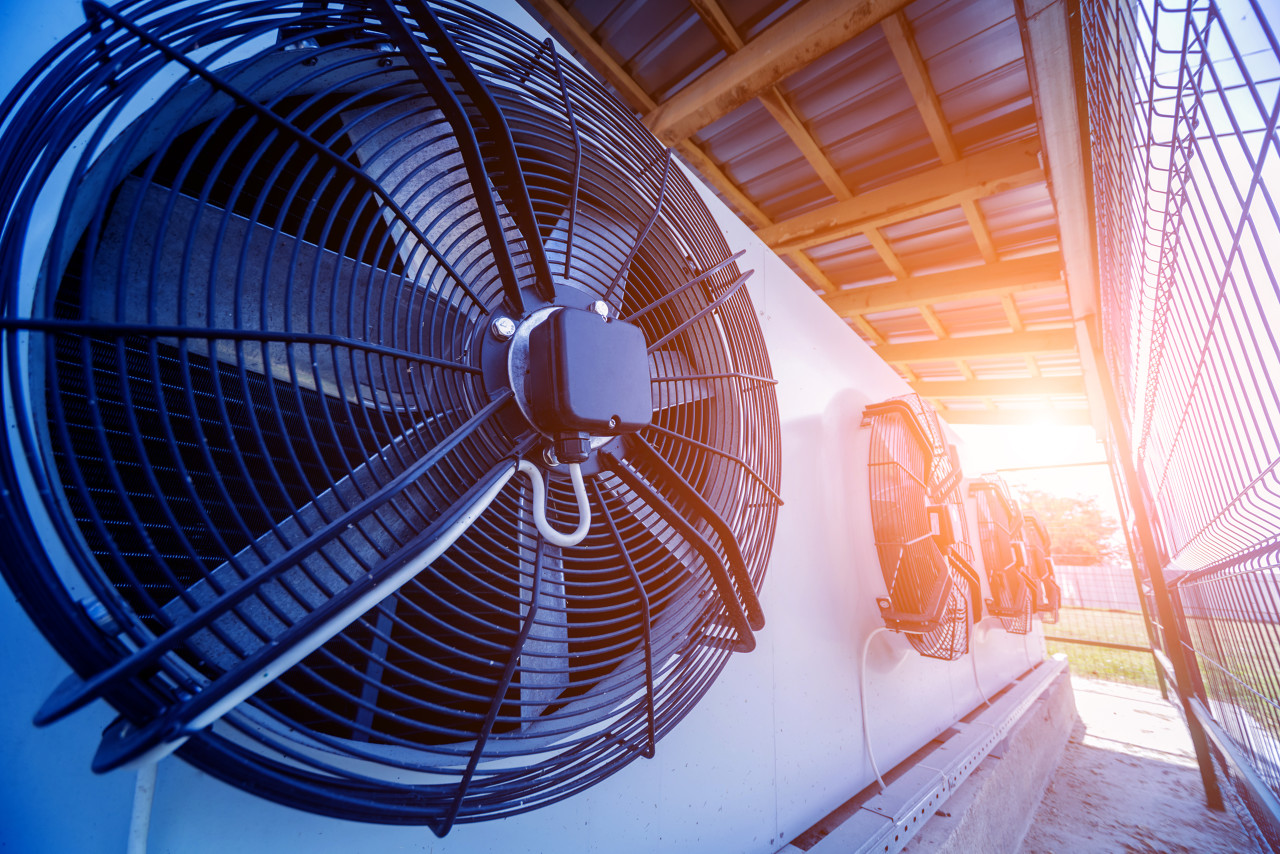
The Growing Need for Energy-Efficient Ventilation in Commercial Buildings
Rising Energy Consumption in Commercial Building Ventilation Systems
Commercial buildings today spend around 42% of all their energy on heating, ventilation and air conditioning systems, with roughly 5% going specifically to ventilation itself based on studies in thermodynamics. The need for this kind of energy keeps growing every year because regulations about indoor air quality have gotten much tougher, plus companies are constantly expanding their spaces. Take modern office complexes for instance they now need about 30% more airflow compared to what was standard before 2020 just to meet current ventilation requirements. And this means higher bills at the end of the month for property managers who already struggle with rising utility prices across the board.
HVAC Systems as Major Contributors to Building Energy Use
In commercial buildings, HVAC systems account for around 70% of all energy used during those hot summer months and cold winter periods when demand peaks. This figure comes from various system performance studies conducted over recent years. Traditional centrifugal fans actually lose between 18 and 22 percent of their input energy because of issues like friction within ductwork and problems with pressure balance throughout the system. Older fixed speed equipment gets even worse when operating at less than full capacity, which happens quite often in real world situations. That's why many facility managers are now looking seriously at upgrading their systems if they want to cut down on energy costs without sacrificing comfort levels.
Energy-Saving Potential of Mixed Flow Fan Technology
Mixed flow fans actually use between 19 to 28 percent less energy than standard axial fans because they mix both axial and centrifugal air movement in their special hybrid blades. We tested these fans in some Chicago skyscrapers last year and found each one saved around 62 thousand kilowatt hours every year. That's enough electricity to run fourteen full commercial kitchens nonstop! The numbers back up what many experts have been saying for years now - the market for better ventilation tech is growing fast, with predictions showing about 5.8 percent yearly increase all the way through 2032 as buildings become more energy conscious.
How Mixed Flow Fan Technology Improves Energy Efficiency
Aerodynamic Design Principles of Mixed Flow Fans
Mixed flow fans work with blades angled diagonally to create both straight line and outward airflow at the same time. This setup helps move air volumes efficiently while still building up good static pressure. According to recent studies from fan tech experts in 2024, these mixed flow designs cut down on turbulence problems by around 18 to 22 percent when compared with regular fans. The backward curved blades are another smart feature that keeps efficiency levels high even when conditions change throughout the day. This makes them particularly useful in settings where airflow requirements fluctuate constantly, which is pretty common in most industrial applications.
Performance Comparison: Mixed Flow vs. Axial and Centrifugal Fans
| Parameter | Axial Fans | Centrifugal Fans | Mixed Flow Fans |
|---|---|---|---|
| Airflow Efficiency | High at low pressure | Low at high airflow | Optimized balance |
| Static Pressure | 750 Pa | 2,500 Pa | 900–1,600 Pa |
| Energy Use per CFM | 0.23–0.28 W | 0.35–0.42 W | 0.18–0.22 W |
Data source: HVAC System Performance Review (2023)
With 39% lower power consumption than centrifugal fans, mixed flow models are ideal for commercial HVAC systems requiring adaptable airflow under varying loads.
Key Components and Design Considerations for HVAC Integration
Three core components ensure seamless integration into modern building systems:
- Variable geometry housings that adapt to complex ductwork
- EC (Electronically Commutated) motors achieving over 92% efficiency
- Aerodynamically optimized impellers with less than 0.3 mm blade tip clearance
When properly implemented, mixed flow systems offer lifecycle advantages including 55% lower energy costs (Greenheck, 2023), 60% reduced maintenance frequency versus belt-driven units, and full compatibility with IoT-enabled demand-controlled ventilation strategies. Installers should conduct static pressure testing across multiple operating points to maximize efficiency while ensuring compliance with ASHRAE 90.1-2022 standards.
Real-World Applications of Mixed Flow Fans in Commercial Buildings
Office Buildings: Balanced Airflow and Noise Control With Mixed Flow Fans
In open-plan offices, mixed flow fans provide uniform 360° airflow distribution while operating 15–20% more quietly than axial fans (HVAC Excellence Group 2023). Their performance supports underfloor ventilation systems common in modern workspaces, maintaining comfort without disruptive noise.
Retail Spaces: Efficient Ventilation Under Variable Occupancy Loads
Retail environments benefit from mixed flow fans’ ability to modulate airflow between 500–5,000 CFM using real-time occupancy data. This responsiveness cuts ventilation energy use by 18–25% during low-traffic periods compared to fixed-speed systems, particularly in multi-tenant developments with diverse climate zones.
Healthcare Facilities: Reliable Air Exchange With High Efficiency
Hospitals using mixed flow technology meet ASHRAE Standard 170 requirements with 35% less energy than centrifugal alternatives. The sealed blade design minimizes particulate accumulation, supporting sterile conditions in surgical suites and isolation rooms where air purity is critical.
Make-Up Air Units: Proven Performance Using Mixed Flow Fan Systems
Integrated with energy recovery wheels, mixed flow fans achieve 80–85% thermal efficiency in make-up air units. This setup maintains positive building pressure while reducing HVAC load penalties by 30–40% compared to conventional exhaust systems, especially in laboratories and industrial kitchens.
Smart Control Strategies to Maximize Energy Savings
Variable Speed Drives for Dynamic Airflow and Load Matching
Variable speed drives (VSDs) enable 18–35% energy savings by adjusting fan speed to match real-time demand. Unlike fixed-speed systems, VSDs eliminate waste during partial-load operation by aligning airflow with occupancy and thermal conditions. A 2023 case study found retail centers reduced HVAC runtime by 28% during off-peak hours while maintaining air quality.
Optimized Control Methods to Minimize Energy Waste
Advanced control algorithms integrate with building management systems (BMS) to optimize fan performance. Research shows predictive setback controls combined with mixed flow fans reduce annual ventilation energy use by 20–30% in office buildings. These systems automatically scale back in unoccupied zones and prioritize airflow to active areas during peak times.
IoT and Smart Sensors in Mixed Flow Fan Monitoring and Operation
Sensors connected through the Internet of Things keep track of pressure levels, temperature readings, and humidity measurements, sending all this information to central monitoring systems so adjustments can be made before problems happen. Buildings that have installed such smart systems are seeing around 12 to maybe even 18 percent reduction in maintenance calls because issues get spotted much earlier than they would otherwise. The real time analysis capabilities mean fans can automatically adjust themselves when weather outside changes, which keeps everything inside comfortable without needing someone constantly checking on things manually. Some facilities have found their staff spends way less time worrying about climate control since these systems started handling most of it themselves.
Selecting and Optimizing Mixed Flow Fans for Long-Term Efficiency
Right-sizing fans based on airflow and static pressure requirements
Getting the right size fan means making sure the airflow (measured in CFM) matches up with what the building's duct system actually needs. When fans are too small, they end up working way harder than they should, consuming somewhere around 18 to 22 percent extra energy according to ASHRAE research from 2023 just to try and keep up with demands. On the flip side, when fans are too big, they tend to turn on and off constantly, which wears them out faster over time. Good engineers will look at all sorts of factors during their airflow calculations, including how long the duct runs are, where there are bends in the system, and even how much resistance comes from filters installed along the way. Most systems work best when operating somewhere between 65 and 80 percent of their maximum static pressure capability. These days, computer simulations have become really helpful for placing mixed flow fans exactly where they need to go, reducing problems like turbulence and those annoying pressure drops that happen in poorly designed systems.
Lifecycle cost analysis: Balancing upfront investment and energy savings
Although mixed flow fans carry a 15–20% higher initial cost than axial models, their 55% greater efficiency in moderate-static-pressure applications leads to substantial long-term savings. A 2023 industry study found these systems reduce annual energy costs by $4.2–$5.8 per square meter compared to centrifugal fans. Decision-makers focus on:
- 10-year total ownership costs (purchase, energy, maintenance)
- Smaller motor requirements due to aerodynamic efficiency (up to 50% reduction vs. forward-curved fans)
- Compatibility with smart controls for future adaptability
Recent lifecycle assessments indicate mixed flow systems achieve ROI in 3–5 years in climates exceeding 4,000 annual cooling hours, with service intervals extending 22–30% beyond traditional units.
FAQ
What are mixed flow fans and why are they beneficial for commercial buildings?
Mixed flow fans combine axial and centrifugal air movement in hybrid blades to improve airflow and energy efficiency. They offer reduced energy consumption, balanced airflow, and reduced noise, making them ideal for various commercial settings.
How do mixed flow fans compare to axial and centrifugal fans?
Mixed flow fans offer optimized airflow efficiency, better static pressure, and lower energy use per cubic feet per minute (CFM) compared to axial and centrifugal fans.
Why is energy efficiency important in HVAC systems for commercial buildings?
Energy-efficient HVAC systems reduce overall operational costs, minimize environmental impact, and adhere to existing air quality regulations, making them essential for modern commercial buildings.
How can smart control strategies help optimize energy use in mixed flow fans?
Smart control strategies, including variable speed drives and IoT-enabled sensors, dynamically adjust fan speed and operations based on real-time demand, reducing energy wastage and enhancing overall efficiency.
What are the main considerations for selecting the right mixed flow fan for a commercial building?
Key considerations include matching airflow and static pressure requirements, conducting a lifecycle cost analysis to balance upfront investment and energy savings, and ensuring compatibility with smart control systems.
Table of Contents
- The Growing Need for Energy-Efficient Ventilation in Commercial Buildings
- How Mixed Flow Fan Technology Improves Energy Efficiency
- Real-World Applications of Mixed Flow Fans in Commercial Buildings
- Smart Control Strategies to Maximize Energy Savings
- Selecting and Optimizing Mixed Flow Fans for Long-Term Efficiency
-
FAQ
- What are mixed flow fans and why are they beneficial for commercial buildings?
- How do mixed flow fans compare to axial and centrifugal fans?
- Why is energy efficiency important in HVAC systems for commercial buildings?
- How can smart control strategies help optimize energy use in mixed flow fans?
- What are the main considerations for selecting the right mixed flow fan for a commercial building?