
 EN
EN
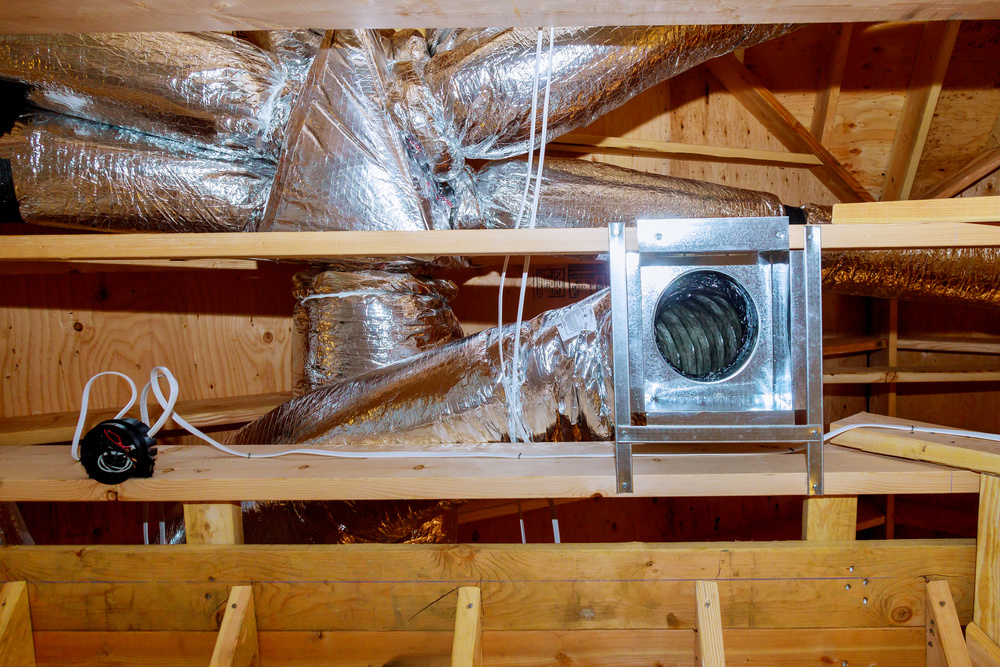
Understanding Fire Damper Functionality and Key Safety Components
The Role of Fire Dampers in Building Fire Safety Systems
Fire dampers serve as important safety mechanisms that shut off HVAC ducts automatically during fires, stopping flames and smoke from spreading through buildings. These devices get installed inside walls and floors rated for fire resistance, and kick into action once the surrounding temperature hits around 165 degrees Fahrenheit or 74 Celsius. When this happens, the dampers close quickly to maintain fire barriers between different sections of a structure. Studies from fire safety standards show that working dampers can cut down on how fast fires spread in commercial spaces by roughly 72 percent according to data published by NFPA back in 2023.
Fire Damper Functionality and Safety Checks: Key Components to Assess
To ensure reliable performance, several core components must be inspected regularly:
- Fusible links: Heat-sensitive elements that melt at predetermined temperatures to initiate closure
- Damper blades: Must move freely without corrosion, warping, or debris obstruction
- Actuators: Verify electrical or pneumatic systems trigger immediate shutdown
- Seals: Check for gaps exceeding 1/8 inch around closed blades, which compromise containment
These inspections are essential for maintaining system integrity and compliance with life safety codes.
Differences Between Fire, Smoke, and Combination Dampers
| Damper Type | Activation Trigger | Primary Function | Testing Standard |
|---|---|---|---|
| Fire Damper | Heat (165°F/74°C) | Block flame transmission | NFPA 105 Sec. 6.4 |
| Smoke Damper | Smoke detectors | Prevent smoke migration | NFPA 105 Sec. 7.5 |
| Combination Damper | Dual heat/smoke detection | Simultaneous fire/smoke containment | NFPA 90A Art. 4.3 |
Understanding these distinctions ensures proper selection and testing based on building design and risk profile.
How Automatic Closure Mechanisms Work During Emergencies
Fire dampers use fail-safe mechanisms such as spring-loaded or gravity-operated blades that close within 3–5 seconds once fusible links melt. This rapid response creates an ASTM E119-rated barrier against fire spread. Recent studies show that well-maintained systems achieve 98% closure reliability, compared to just 57% in neglected installations (2024 FM Global Data).
NFPA 105 Compliance: Inspection Standards and Testing Requirements for Fire Dampers
Overview of NFPA 105 Inspection Frequency and Testing Intervals
According to NFPA 105 standards, fire dampers generally need inspection every four years. Healthcare buildings actually get an extra two years between checks because they have stricter monitoring procedures already in place. The first check should happen no later than one year after installation, mainly to make sure everything fits properly into the HVAC system and works at the right temperatures. Testing how these dampers operate is absolutely necessary to ensure they close completely and stop air flow when needed. When older dampers start failing more than 15% of the time, they definitely need fixing right away. These requirements come straight from the National Fire Protection Association's latest guidelines published in 2023.
Operational and Periodic Testing of Fire Dampers as Mandated by NFPA 105
Two key tests ensure damper functionality under NFPA 105:
- Operational tests validate that dampers fully close within 90 seconds when exposed to temperatures exceeding 165°F (74°C).
- Periodic manual tests assess reset capability and physical alignment with ductwork.
During evaluations, technicians inspect fusible links, blade movement, and frame condition—issues identified in 23% of non-healthcare dampers during 2023 compliance audits.
Alignment with NFPA 80 and Other Relevant Codes for Full Compliance
Effective fire protection programs integrate NFPA 105 with related standards such as NFPA 80 and UL 555S to prevent system-wide vulnerabilities:
| Standard | Scope | Key Requirement |
|---|---|---|
| NFPA 105 | Smoke control systems | Annual damper operability checks |
| NFPA 80 | Fire door assemblies | 4-year mechanical part inspections |
| UL 555S | Smoke damper ratings | Leakage < 20 CFM/sq.ft at 0.05" pressure |
This coordinated approach reduces cross-system failures by 34% compared to isolated inspection practices.
Documentation and Certification Requirements for Fire Damper Inspections Under NFPA
Compliant inspections require detailed records including:
- Timestamped service logs with damper locations and technician credentials
- Before-and-after photos of repairs or replacements
- Certification seals for units meeting closure speed requirements
Jurisdictions increasingly mandate digital inspection logs to improve audit efficiency—a shift linked to a 28% reduction in compliance violations across multi-tenant properties (2023 Fire Safety Journal). Paper records remain acceptable if digitized within 30 days post-inspection.
Recommended Fire Damper Inspection Frequency Based on Building Type and Risk
Inspection frequency for fire and smoke dampers based on occupancy type
Under NFPA 105 standards, hospitals and clinics typically get inspected every six years, whereas most regular commercial properties stick to a four-year schedule. Schools and apartment complexes usually need checking every two years too, though this can vary quite a bit based on what specific rules apply in different areas. For places that host lots of people at once such as movie theaters or sports arenas, things are even stricter. These kinds of buildings might actually need inspections twice a year sometimes. Why? Well, looking back at recent stats from 2023 fire protection reports reveals something interesting about safety checks for public gatherings spaces. About one third of them ended up needing fixes right after their yearly inspection.
When to conduct initial, annual, and semi-annual fire damper inspections
According to NFPA 80 standards released in 2024, building owners need to test dampers within the first year after they're installed, then stick to inspections every four years for regular structures. Things get a bit different for hospitals though, where complete checks can wait until six years later. Still, these medical facilities shouldn't forget about doing quick looks twice a year in areas considered high risk for fire hazards. For places that deal with combustible substances, going all out with monthly operational tests makes good sense. Research published in Fire Safety Journal back in 2023 found that this frequent approach cuts down on system failures by around 41% compared to just checking once a year. That kind of difference matters when safety is on the line.
Factors influencing fire damper inspection frequency in commercial buildings
Key variables include:
- Occupancy classification (e.g., Assembly vs. Business)
- Local jurisdictional amendments to NFPA 105
- HVAC usage intensity
- Historical fire or maintenance incident trends
Structures older than 20 years typically require inspections 25% more frequently, according to 2023 fire protection surveys. Retail spaces with frequent tenant turnover exhibit 2.3 times higher obstruction rates than stable office environments.
Step-by-Step Fire Damper Inspection and Maintenance Procedures
Pre-inspection procedures for fire dampers: Preparing for compliance
Begin by reviewing manufacturer specifications and NFPA 105 requirements. Ensure personnel wear appropriate PPE including gloves and safety glasses and confirm access panels are unobstructed. As recommended in a 2023 NFPA 80 compliance checklist, verify permits, labeling accuracy, and documentation readiness before initiating any tests.
Visual inspection of fire dampers: Identifying corrosion, damage, or misalignment
Inspect blades, frames, seals, and actuators for rust, warping, debris, or wiring defects. A 2024 Fire Safety Journal report found 23% of dampers fail initial checks due to bent blades or inadequate lubrication. Manually test blade movement to detect stiffness or grinding, which can impair automatic closure.
Conducting operational tests: Verifying automatic and manual closure functions
Simulate emergency conditions to evaluate automatic closure. Measure timing against manufacturer benchmarks delays beyond 30 seconds indicate malfunction and require repair. For manual models, confirm latch engagement and proper reset function. Research indicates 65% of life-threatening damper failures occur in systems lacking annual operational testing (NFPA, 2022).
Common issues found during fire damper inspections and corrective actions
| Issue Type | Frequency (%) | Remediation Steps |
|---|---|---|
| Obstruction | 41 | Clear debris, realign blades |
| Corrosion | 29 | Replace components, apply anti-rust coatings |
| Failed Auto-Close | 17 | Repair actuators, reset thermal links |
| Documentation Gaps | 13 | Update logs, retrain personnel |
Critical deficiencies should be corrected within 72 hours to maintain NFPA compliance and system reliability.
Ensuring Accessibility and Proper Documentation for Fire Damper Compliance
Access Requirements and Obstruction Checks for Fire Dampers
According to NFPA 90A's section 7.2.1, building codes demand access panels measuring no less than 12x12 inches so technicians can properly inspect and maintain dampers. Recent audits from last year showed something pretty alarming though - about one third of all commercial structures didn't meet these standards because their access areas were blocked off somehow. That's why property managers really need to make sure they check those clearances every three months or so. Storage items tend to creep into these spaces over time, or sometimes renovations just get in the way of proper access for maintenance work.
Ensuring Clear Access Panels and Unobstructed Service Pathways
Access panels labeled with 12.7 mm lettering (per NFPA 90A) reduce inspection time by 40% compared to unlabeled systems. Hospitals achieving less than six seconds average access time report 98% faster activation during drills. Maintain a minimum of 36 inches of working space around each inspection point to accommodate tools and personnel safely.
Best Practices for Documentation of Fire Damper Inspections
NFPA Chapter 19 specifies that inspection records must include damper location, technician qualifications, component condition, and any corrective actions taken. Facilities using digital reporting systems resolved 83% of flagged issues within 72 hours, significantly outperforming paper-based operations, which averaged 21 days for resolution. Essential documentation includes:
- High-resolution images of fusible links
- Date-stamped operational test results
- Manufacturer-recommended maintenance guidelines
Digital Logbooks vs. Paper Records: Ensuring Audit Readiness
According to Ponemon's 2023 report, digital logbooks can cut down on audit prep work by around 62%, plus they let folks monitor things in real time through those handy dashboards. Take one health care network for instance they saw their documentation accuracy jump from about 71 percent all the way up to nearly 98% once they started using these encrypted mobile logging devices hooked into their building systems. Paper records aren't banned yet, but organizations need to keep digital copies anyway and run those regular quality checks if they want to stay compliant over time. The old ways just don't cut it anymore when it comes to meeting modern standards.
FAQ Section
What is the purpose of a fire damper?
Fire dampers are safety mechanisms designed to automatically shut down HVAC ducts during fires, preventing the spread of flames and smoke through buildings.
How often should fire dampers be inspected according to NFPA 105?
NFPA 105 generally requires fire damper inspections every four years, with healthcare buildings inspecting every six years due to stricter monitoring standards.
What are the main components to inspect in a fire damper system?
Key components to inspect include fusible links, damper blades, actuators, and seals. These components ensure proper functionality and compliance with safety standards.
Why do older structures require more frequent fire damper inspections?
Structures older than 20 years often require inspections 25% more frequently due to increased wear and potential maintenance issues over time.
What documentation is needed for fire damper inspection compliance?
Inspection compliance requires timestamped service logs, before-and-after photos of repairs, and detailed records of technician credentials and corrective actions taken.
Table of Contents
- Understanding Fire Damper Functionality and Key Safety Components
- NFPA 105 Compliance: Inspection Standards and Testing Requirements for Fire Dampers
- Overview of NFPA 105 Inspection Frequency and Testing Intervals
- Operational and Periodic Testing of Fire Dampers as Mandated by NFPA 105
- Alignment with NFPA 80 and Other Relevant Codes for Full Compliance
- Documentation and Certification Requirements for Fire Damper Inspections Under NFPA
- Recommended Fire Damper Inspection Frequency Based on Building Type and Risk
-
Step-by-Step Fire Damper Inspection and Maintenance Procedures
- Pre-inspection procedures for fire dampers: Preparing for compliance
- Visual inspection of fire dampers: Identifying corrosion, damage, or misalignment
- Conducting operational tests: Verifying automatic and manual closure functions
- Common issues found during fire damper inspections and corrective actions
- Ensuring Accessibility and Proper Documentation for Fire Damper Compliance
-
FAQ Section
- What is the purpose of a fire damper?
- How often should fire dampers be inspected according to NFPA 105?
- What are the main components to inspect in a fire damper system?
- Why do older structures require more frequent fire damper inspections?
- What documentation is needed for fire damper inspection compliance?