

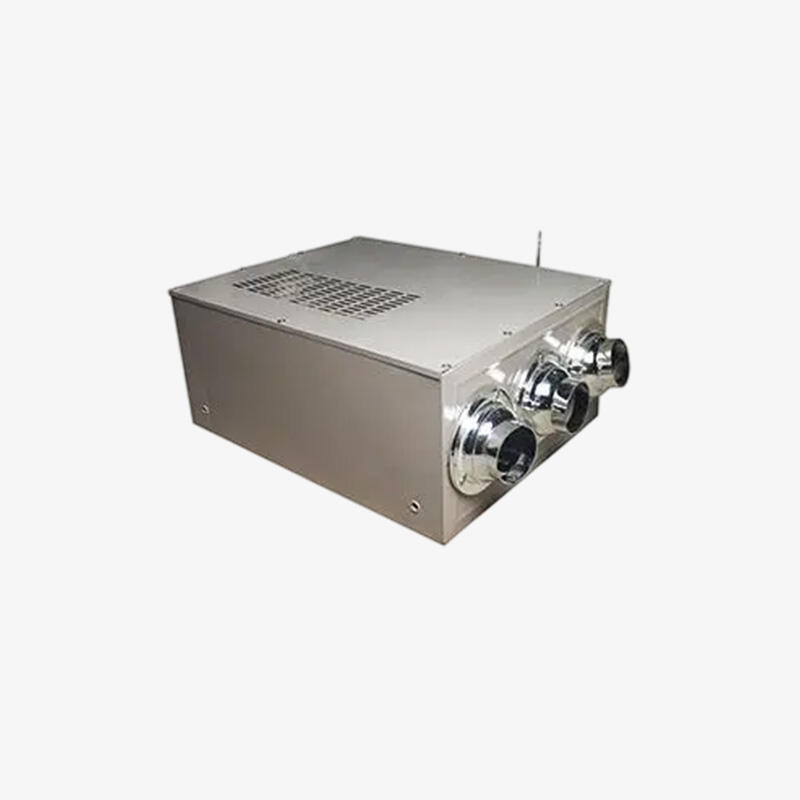

Advanced Air Fire Dampers for Reliable Ventilation Control

All Categories
Dampers: Controlling Airflow in Ventilation Systems

Dampers: Controlling Airflow in Ventilation Systems

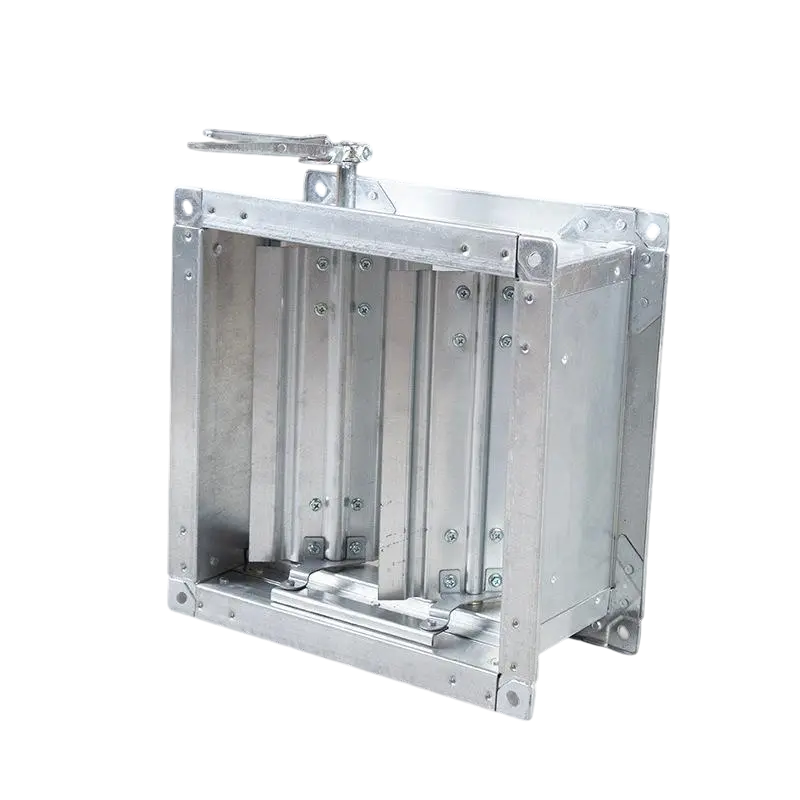
Dampers, also known as air valves or regulators, are used to control the flow rate and direction of air within ventilation systems. They can be manually or automatically adjusted to meet different ventilation needs, such as regulating air volume during peak and off - peak hours or redirecting airflow for specific areas. Our dampers are available in various types, including butterfly dampers, modulating dampers, and fire dampers, each designed for specific functions and applications, providing flexible and reliable control over ventilation system operations.
Get A Quote

Advantages of the product

Precise Flow Control

Damper regulators can manually or automatically adjust the flow and direction of the airflow in the ventilation system accurately, ensuring the system operates as required and improving efficiency.

Reliable and Stable Performance

Using high-quality components and advanced manufacturing processes, with a stable structure and sensitive adjustment, they operate stably and reliably for a long time, with low failure rates.

Related products

In the critical realm of life safety and property protection within HVAC systems, advanced air fire dampers serve as indispensable components designed to automatically prevent the spread of fire and smoke through ductwork, and our manufacturing focus is on producing dampers that exceed basic code requirements through features like robust galvanized steel or stainless steel construction, precision blade seals that ensure tight closure upon fuse link or actuator activation, and modular designs that facilitate easy installation and inspection. Our product development emphasizes not only the passive fire-resistance rating but also the operational reliability and low leakage rates under both static and dynamic airflow conditions, parameters that are rigorously tested to ensure that in the event of a fire, our advanced air fire dampers perform their containment function flawlessly, a non-negotiable aspect of building safety engineering. The production of these specialized items leverages our extensive workshop capabilities, including precision stamping and welding equipment, and is guided by a deep understanding of international standards, allowing for customization in sizes, actuation methods (thermal, smoke detector, or electrical motor), and fire resistance durations to meet specific project specifications for commercial high-rises, industrial facilities, or healthcare buildings. This technical strength, combined with agile ODM services and a reliable supply chain for critical components like fusible links and actuators, positions us as a trusted partner for HVAC safety, providing advanced air fire dampers that integrate seamlessly into complex ventilation and smoke control systems, offering architects and engineers peace of mind through certified, high-performance, and durable safety solutions.

Common problem

Where are dampers installed?

They are installed in ventilation ducts, air handling units, and near air outlets. This allows them to manage the air movement throughout the system.
Automatic dampers are controlled by sensors (e.g., temperature, pressure sensors) or building management systems. These sensors send signals to adjust the damper position for optimal airflow.
Yes, there are various types such as butterfly dampers, opposed - blade dampers, and parallel - blade dampers, each designed for different airflow control requirements.

Related article

How Mixed Flow Fans Improve Energy Efficiency in Ventilation Systems

07

May

How Mixed Flow Fans Improve Energy Efficiency in Ventilation Systems

Understanding Mixed Flow Fan Technology in Ventilation The Physics Behind Mixed Flow Fans' Energy Efficiency Energy-efficient mixed flow fans combine the best of axial and centrifugal fans. Unlike axial and centrifugal fans which use an axi...
View More

Why Your Ventilation System Needs a Smoke Exhaust Valve

07

May

Why Your Ventilation System Needs a Smoke Exhaust Valve

Understanding Smoke Exhaust Valves in Fire Safety Ventilation SystemsWhat is a Smoke Exhaust Valve?A smoke control damper is a critical part of fire safety ventilation systems which are intended to extract smoke from buildings in the event of a ...
View More
Innovative Solutions for Commercial HVAC Diffusers

07

May

Innovative Solutions for Commercial HVAC Diffusers

Key Types of Commercial HVAC DiffusersDirectional Diffusers for Flexible Airflow Control Directional diffusers give us control over where the air goes, which really helps keep things balanced in different kinds of buildings. These devices are made sp...
View More
Enhancing Indoor Air Quality with HVAC Vent Diffusers

07

May

Enhancing Indoor Air Quality with HVAC Vent Diffusers

Understanding HVAC Vent Diffusers' Role in Indoor Air QualityHow Vent Diffusers Influence Air Circulation Patterns Vent diffusers play a really important part in how air moves around a space, since they have a major effect on circulation patterns and...
View More

Customer Reviews

Olivia

I'm very satisfied with the dampers. They are durable and perform well in regulating airflow.

Liam

It's a good set of dampers. The manual and automatic adjustment options are very convenient.

Get a Free Quote

Our representative will contact you soon.
Email
Mobile/WhatsApp
Name
Company Name
Message
0/1000
Precise Control, Flexible Operation

Precise Control, Flexible Operation

The dampers provide precise control over the flow rate and direction of air in ventilation systems. They can be adjusted manually or automatically according to different ventilation requirements. Whether it's to balance air pressure, regulate air volume, or direct airflow, the dampers offer the flexibility needed to optimize the performance of ventilation systems.