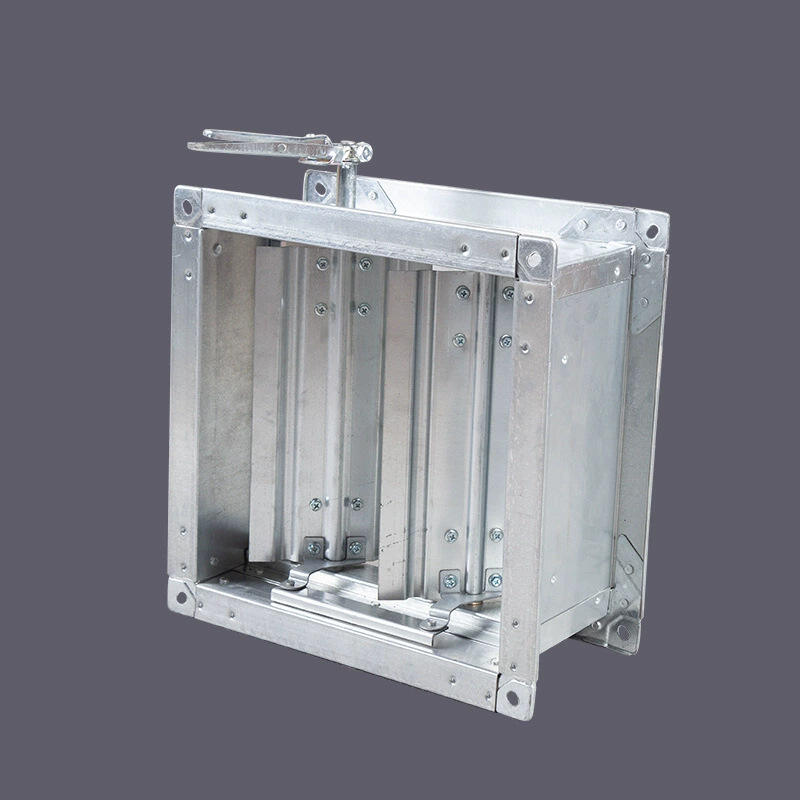

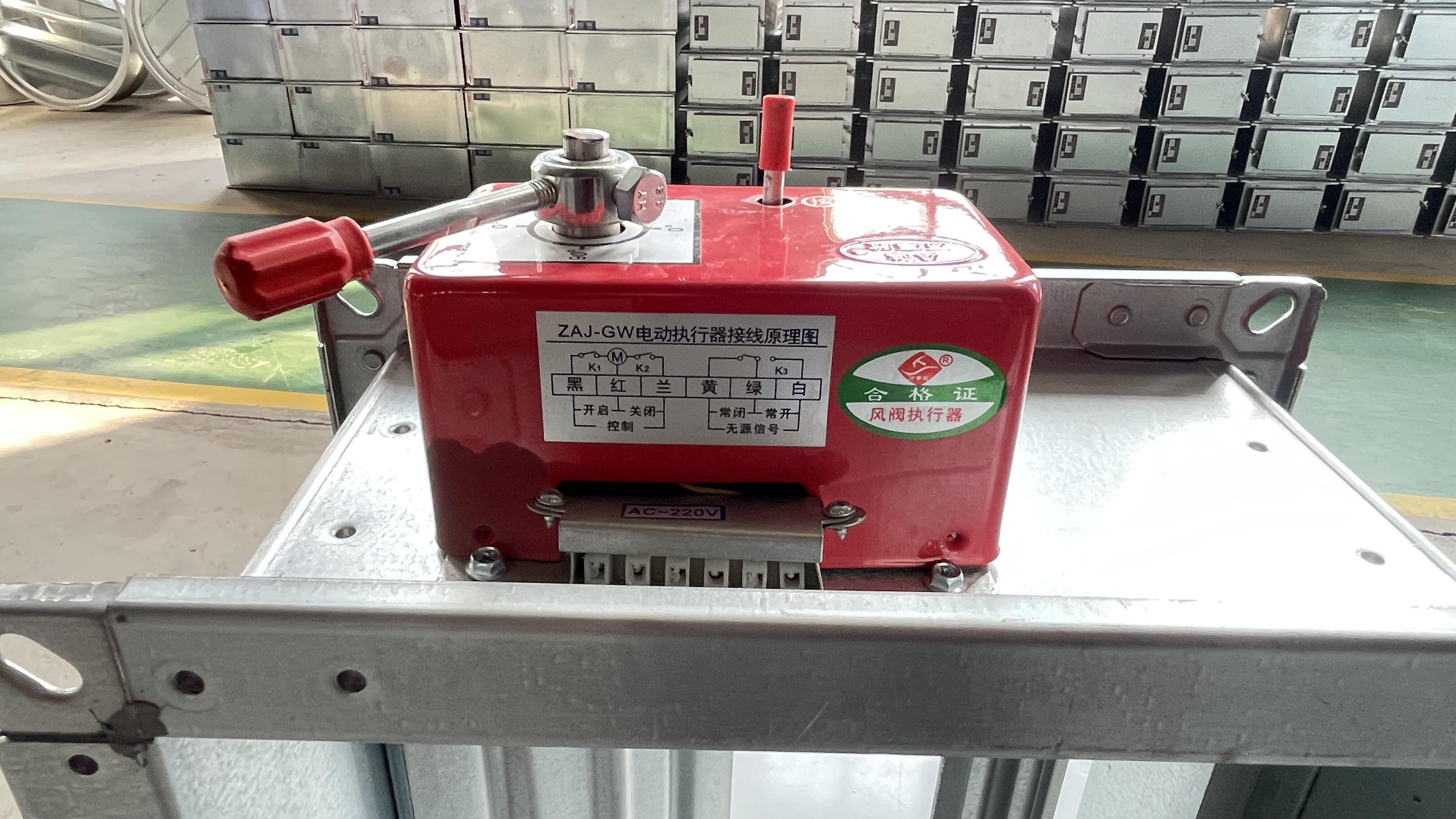
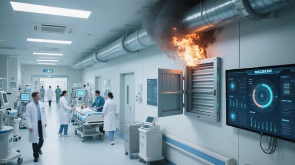
The integrity of a building's passive fire protection strategy critically depends on the specified performance and proper installation of fire rated dampers, which are engineered life-safety devices designed to automatically restrict the spread of fire and deadly smoke through HVAC ductwork and building openings during a fire event. These dampers, which must be rigorously tested and certified to stringent international standards such as UL 555S or its regional equivalents, are classified by their fire resistance rating—typically 1.5, 2, or 3 hours—and are installed within fire barriers and partitions where ducts penetrate, remaining open during normal operation to allow for airflow but closing automatically via a fusible link or actuator upon detection of heat to seal the opening. It is crucial to distinguish between various types, including curtain-type fire dampers, which utilize interlocking blades, and multiple-blade designs, each suited to specific applications and airflow requirements. Beyond the damper itself, the complete assembly, including the sleeve, mounting, and insulation, must maintain the fire rating, and regular inspection as mandated by codes like NFPA 80 and 105 is non-negotiable for ensuring operational readiness. For engineers and contractors, selecting reliable fire rated dampers involves evaluating not just the certification but also the manufacturer's quality control, the durability of materials such as galvanized or stainless steel, the smoothness of blade operation to minimize parasitic pressure loss in normal mode, and the availability of accessories like factory-instulated sleeves or retrofit options. In complex projects involving seismic considerations, the damper assembly must also be certified to withstand prescribed movement without compromising its fire-stopping function, a feature often achieved through integrated seismic brackets. Ultimately, the specification of high-quality fire rated dampers is a fundamental duty of care, providing vital time for occupant egress and firefighter intervention by compartmentalizing a blaze, thereby protecting property and, most importantly, lives.