

Industrial Dampers for Precision Airflow Control | Optimize Ventilation

All Categories
Dampers: Controlling Airflow in Ventilation Systems

Dampers: Controlling Airflow in Ventilation Systems

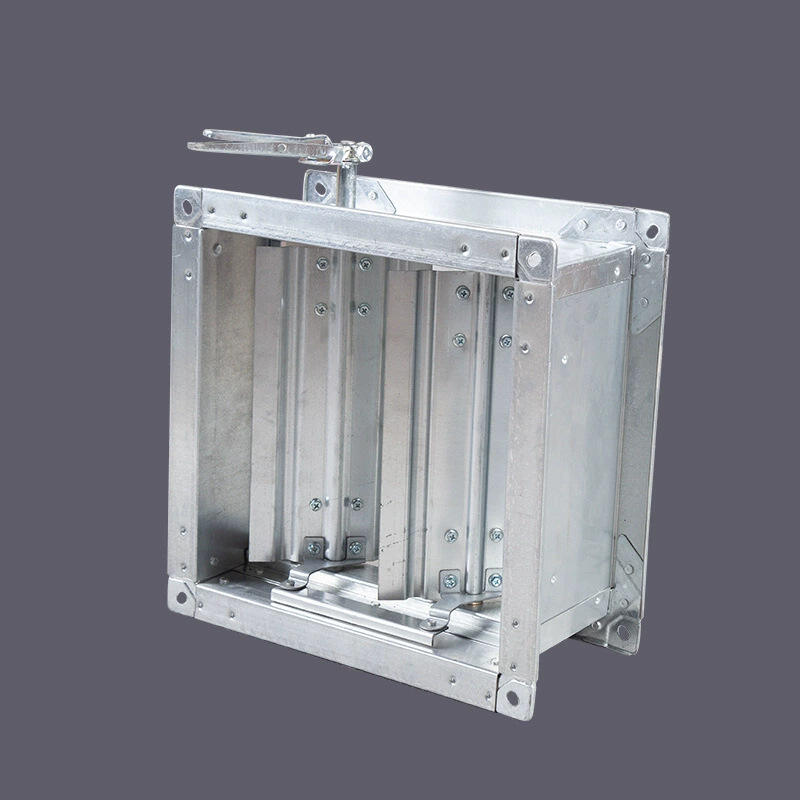
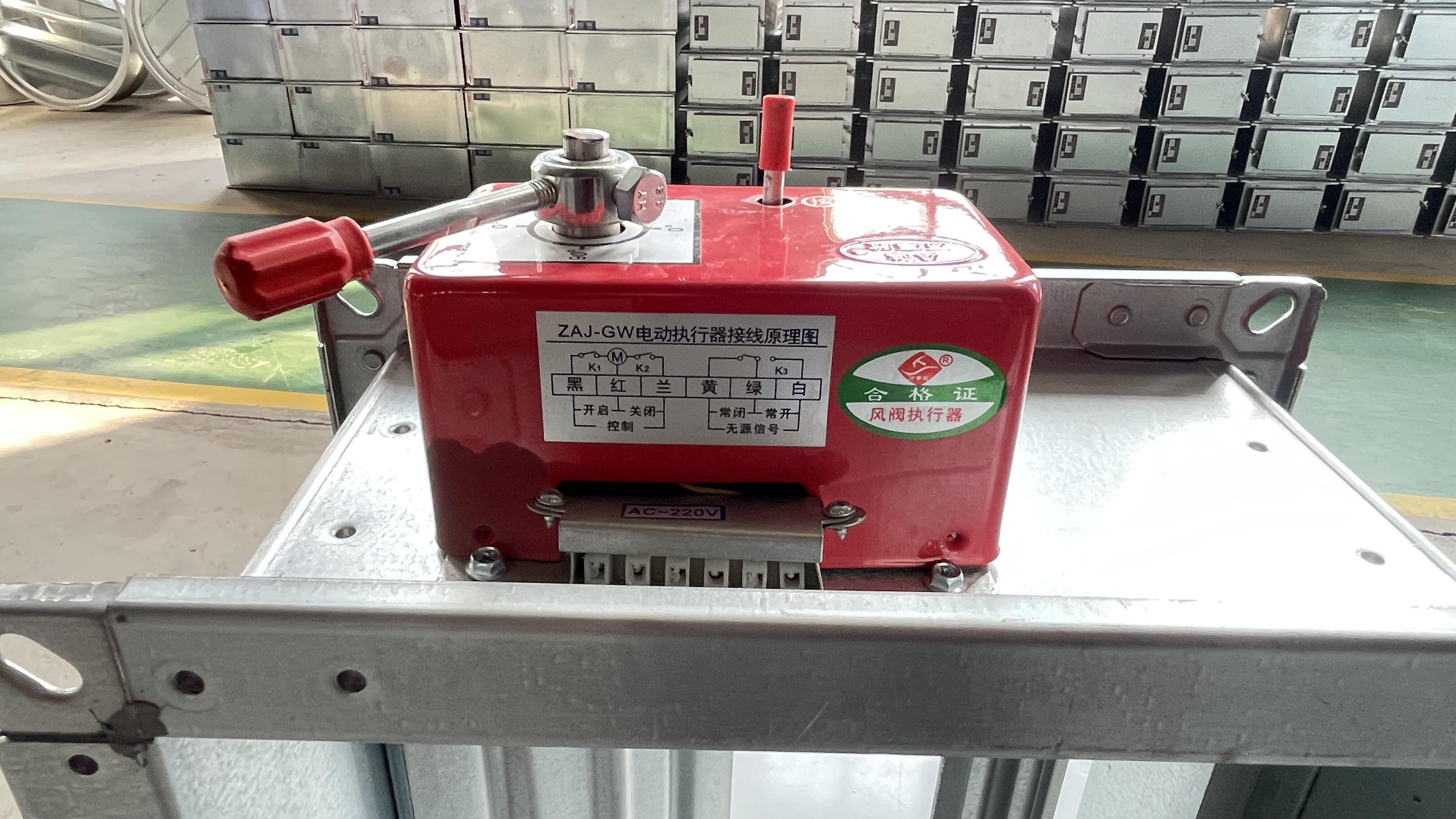
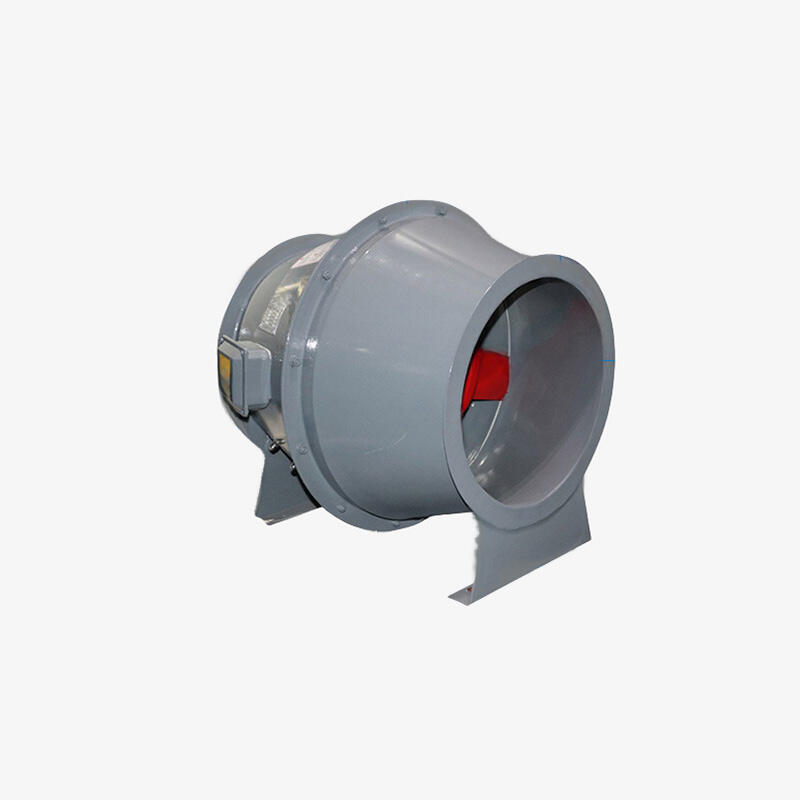
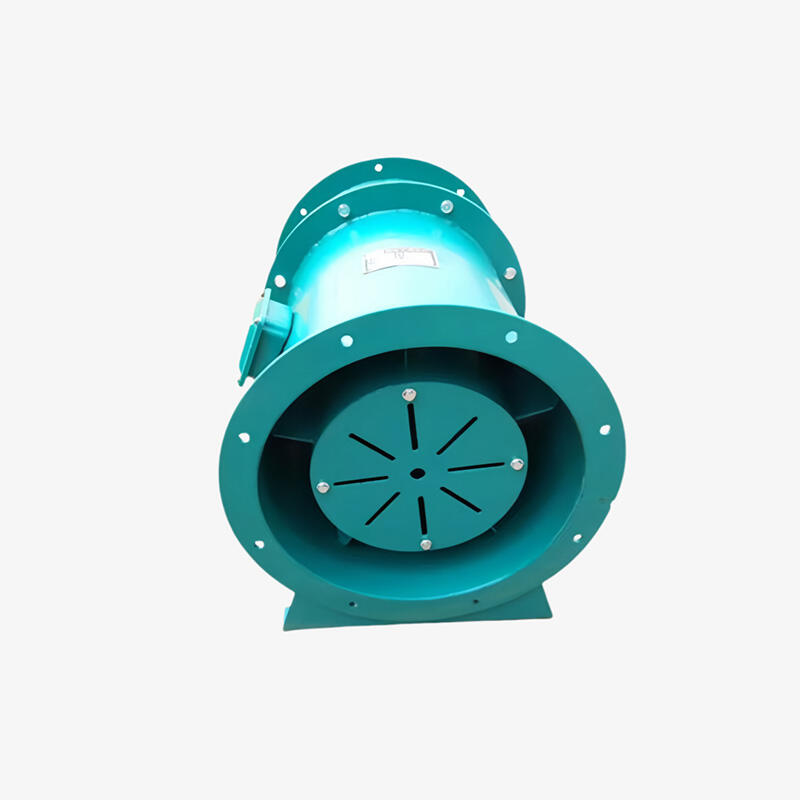
Dampers, also known as air valves or regulators, are used to control the flow rate and direction of air within ventilation systems. They can be manually or automatically adjusted to meet different ventilation needs, such as regulating air volume during peak and off - peak hours or redirecting airflow for specific areas. Our dampers are available in various types, including butterfly dampers, modulating dampers, and fire dampers, each designed for specific functions and applications, providing flexible and reliable control over ventilation system operations.
Get A Quote

Advantages of the product

Precise Flow Control

Damper regulators can manually or automatically adjust the flow and direction of the airflow in the ventilation system accurately, ensuring the system operates as required and improving efficiency.

Reliable and Stable Performance

Using high-quality components and advanced manufacturing processes, with a stable structure and sensitive adjustment, they operate stably and reliably for a long time, with low failure rates.

Related products

Specifying Ruskin fire dampers has long been a benchmark for reliability and compliance within the fire and smoke protection industry, representing a brand synonymous with rigorously tested products that meet some of the most demanding global standards for life safety in building services. When engineers and fire safety consultants reference Ruskin fire dampers in their specifications, they are invoking a legacy of engineering precision, comprehensive third-party certification, and a deep understanding of code requirements across various jurisdictions. These dampers, encompassing a wide array of types from dynamic curtain-style to combination fire and smoke control models, are designed to perform a singularly vital function: to automatically close upon detecting heat, thereby maintaining the fire-resistance rating of walls, floors, and ceilings penetrated by ductwork and effectively compartmentalizing a building to prevent the spread of flames and toxic gases. For suppliers and manufacturers specializing in HVAC components, offering products that are functionally equivalent or directly compatible with the performance profiles and installation dimensions of Ruskin fire dampers is a significant competitive advantage, as it provides specifiers and contractors with a trusted, code-compliant alternative that can streamline procurement and installation processes. This necessitates that alternative dampers possess equivalent UL or other internationally recognized listings, demonstrate comparable construction quality with robust galvanized steel or stainless-steel blades and frames, and feature reliable activation mechanisms such as thermally rated fusible links or integral actuators. Furthermore, the ability to provide comprehensive technical support, including detailed submittal drawings, installation instructions, and maintenance guides that align with the meticulous documentation associated with major brands, is essential for building confidence. In projects where cost-effectiveness, lead time, or specific customization is a priority without sacrificing safety integrity, partnering with a manufacturer that understands the engineering principles and certification rigor behind renowned products like Ruskin fire dampers ensures that the specified fire protection strategy is executed with products that deliver assured performance, thereby safeguarding both building occupants and the project's regulatory compliance.

Common problem

What are the functions of dampers?

Dampers are used to control the flow rate and direction of air in a ventilation system. They can be adjusted manually or automatically to regulate airflow.
Automatic dampers are controlled by sensors (e.g., temperature, pressure sensors) or building management systems. These sensors send signals to adjust the damper position for optimal airflow.
Yes, there are various types such as butterfly dampers, opposed - blade dampers, and parallel - blade dampers, each designed for different airflow control requirements.

Related article

How Mixed Flow Fans Improve Energy Efficiency in Ventilation Systems

07

May

How Mixed Flow Fans Improve Energy Efficiency in Ventilation Systems

Understanding Mixed Flow Fan Technology in Ventilation The Physics Behind Mixed Flow Fans' Energy Efficiency Energy-efficient mixed flow fans combine the best of axial and centrifugal fans. Unlike axial and centrifugal fans which use an axi...
View More

Why Your Ventilation System Needs a Smoke Exhaust Valve

07

May

Why Your Ventilation System Needs a Smoke Exhaust Valve

Understanding Smoke Exhaust Valves in Fire Safety Ventilation SystemsWhat is a Smoke Exhaust Valve?A smoke control damper is a critical part of fire safety ventilation systems which are intended to extract smoke from buildings in the event of a ...
View More
Innovative Solutions for Commercial HVAC Diffusers

07

May

Innovative Solutions for Commercial HVAC Diffusers

Key Types of Commercial HVAC DiffusersDirectional Diffusers for Flexible Airflow Control Directional diffusers give us control over where the air goes, which really helps keep things balanced in different kinds of buildings. These devices are made sp...
View More
Enhancing Indoor Air Quality with HVAC Vent Diffusers

07

May

Enhancing Indoor Air Quality with HVAC Vent Diffusers

Understanding HVAC Vent Diffusers' Role in Indoor Air QualityHow Vent Diffusers Influence Air Circulation Patterns Vent diffusers play a really important part in how air moves around a space, since they have a major effect on circulation patterns and...
View More

Customer Reviews

Emery

The dampers are easy to adjust and control the air flow precisely. They are a great addition to our system.

Liam

It's a good set of dampers. The manual and automatic adjustment options are very convenient.

Get a Free Quote

Our representative will contact you soon.
Email
Mobile/WhatsApp
Name
Company Name
Message
0/1000
Precise Control, Flexible Operation

Precise Control, Flexible Operation

The dampers provide precise control over the flow rate and direction of air in ventilation systems. They can be adjusted manually or automatically according to different ventilation requirements. Whether it's to balance air pressure, regulate air volume, or direct airflow, the dampers offer the flexibility needed to optimize the performance of ventilation systems.