
Commercial Roof Exhaust Fan System: Durable & Smart Ventilation

All Categories
Roof Exhaust Fan: Efficiently Removing Unwanted Air from Buildings

Roof Exhaust Fan: Efficiently Removing Unwanted Air from Buildings

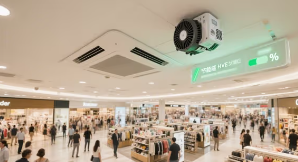
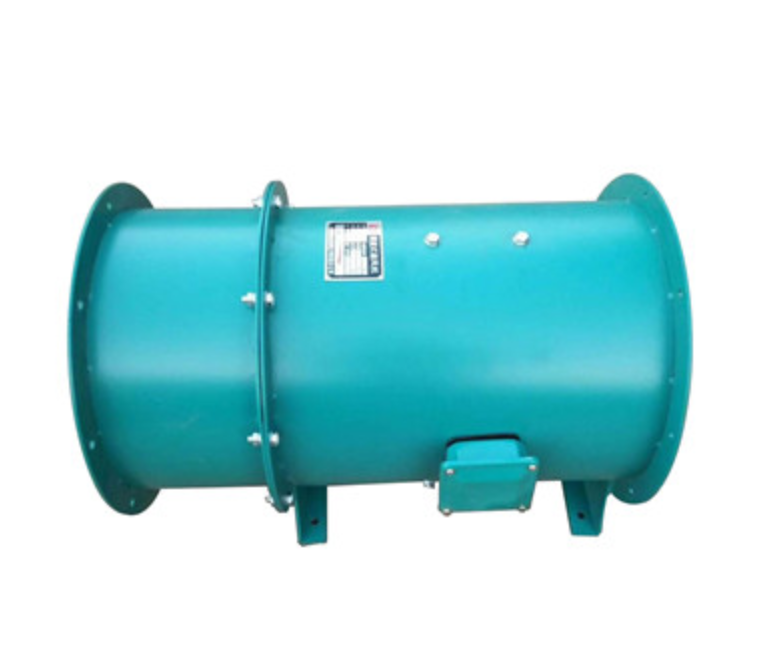
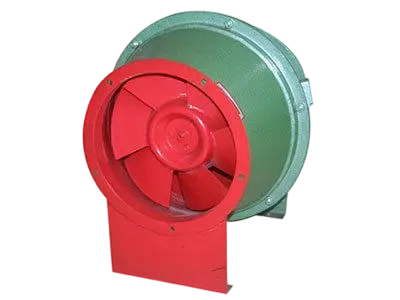
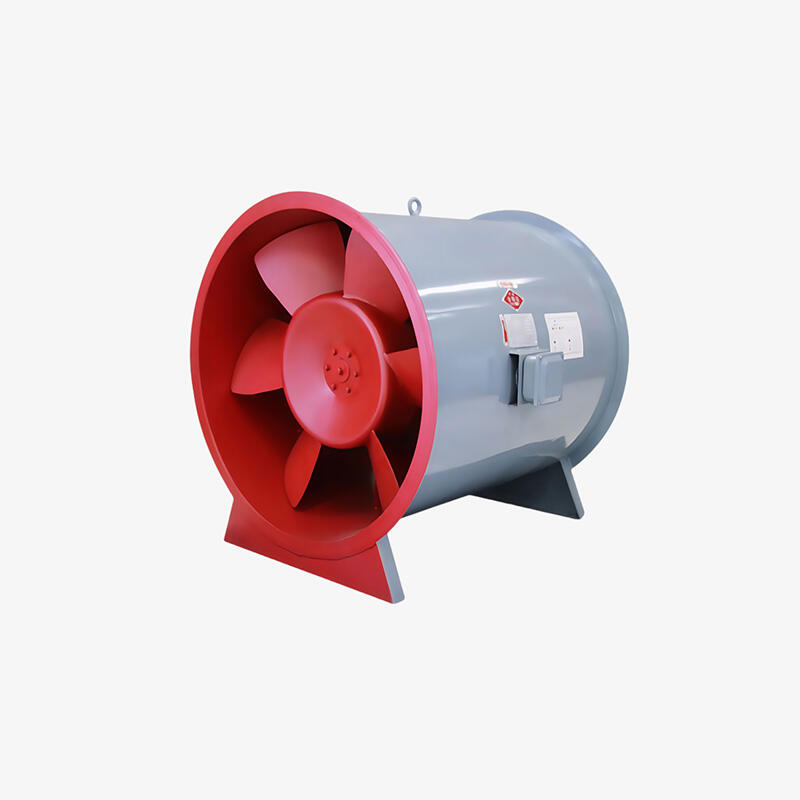
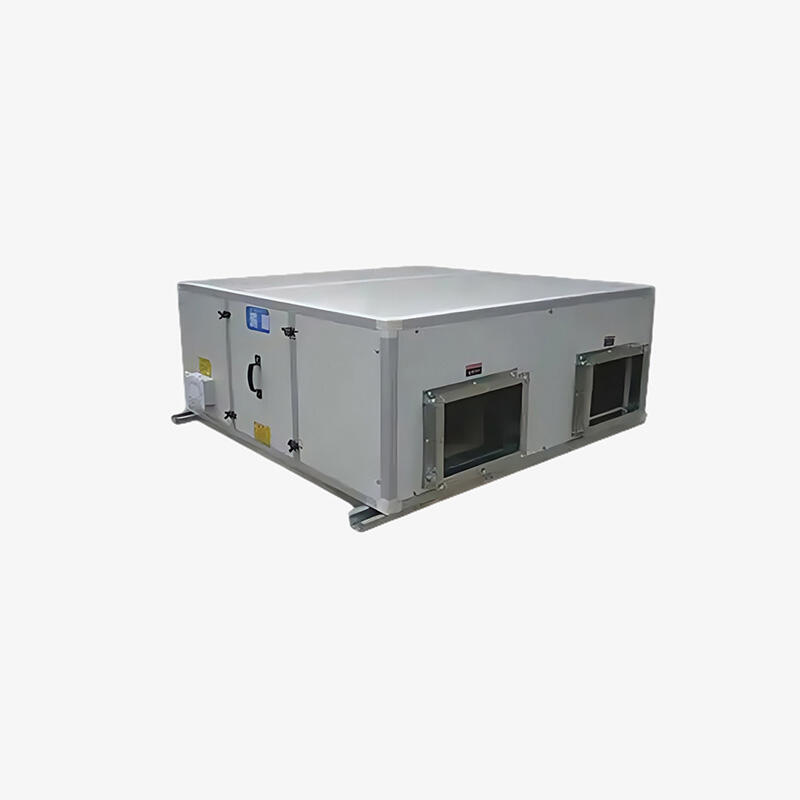
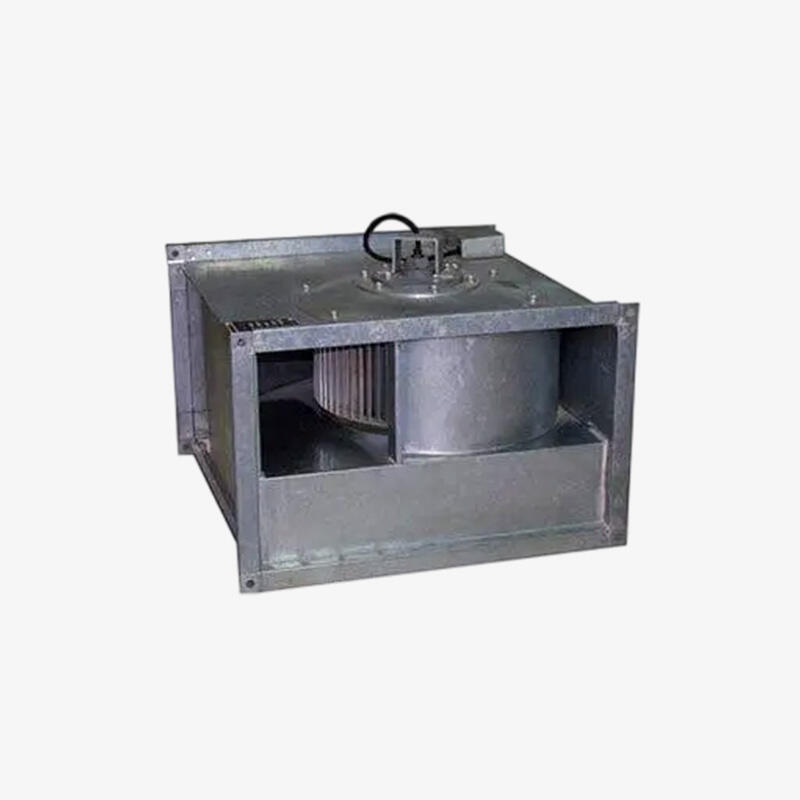
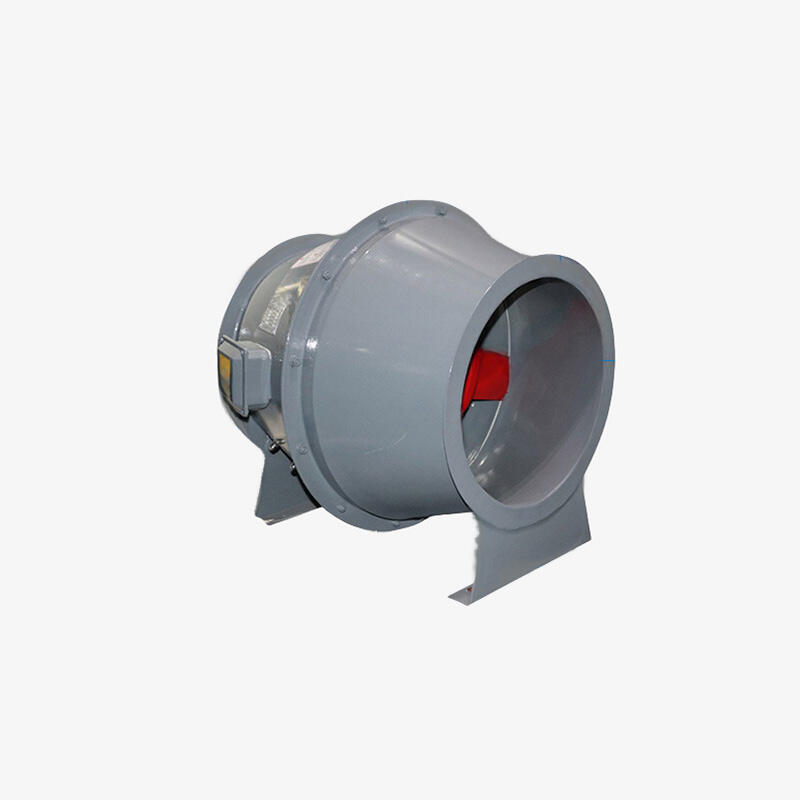
Roof exhaust fans are installed on rooftops to expel hot air, stale air, and pollutants from buildings. Commonly found in industrial plants, large commercial buildings, and warehouses, these fans play a key role in maintaining a comfortable indoor temperature and air quality. Our roof exhaust fans are built with durable materials and powerful motors, capable of handling high - volume airflows even in harsh outdoor conditions. They are designed for easy installation and long - term reliability, ensuring efficient ventilation for buildings.
Get A Quote

Advantages of the product

Resistance to Harsh Environments

With good waterproof, dustproof, and anti-corrosion properties, they can operate stably for a long time in complex outdoor environments, undeterred by wind and rain.

Convenient Intelligent Control

Supports intelligent control, which can automatically adjust the operating status according to indoor and outdoor environmental parameters, achieving a balance between energy saving and efficient exhaust.

Related products

Designing an effective ventilation strategy for a large-scale facility hinges on the performance and reliability of its commercial roof exhaust fan system, a critical component responsible for maintaining air quality and thermal comfort across expansive spaces. A commercial roof exhaust fan system is far more than a single fan unit; it is an integrated network of engineered components including the fan itself, a structural roof curb for weather-tight mounting, backdraft dampers to prevent reverse airflow, and often variable frequency drives for precise speed control. These systems are deployed to address a multitude of specific challenges, such as extracting hot air stratified at the ceiling level in warehouses, removing grease-laden vapors from restaurant kitchen exhaust hoods, or ventilating contaminants from laboratory or industrial processes. The selection of a commercial roof exhaust fan system requires careful analysis of the required airflow (CFM) against the system's static pressure, which includes resistance from ductwork, filters, and weather hoods. Manufacturers offer various configurations, including upblast fans for exhausting contaminated air high above the roofline to prevent re-entrainment into building air intakes, and downblast or hooded fans for general exhaust or supply air applications where dispersion is less critical. Durability is paramount, as these systems are exposed to weather extremes; therefore, they are constructed with heavy-gauge steel or aluminum, protected by robust coatings to resist corrosion and degradation from UV exposure. The integration of a commercial roof exhaust fan system into a building's central automation system allows for sophisticated control strategies, such as timed ventilation for indoor air quality control or temperature-triggered operation to purge heat buildup, thereby reducing cooling loads. Furthermore, modern designs emphasize serviceability, with features like hinged access doors and modular components that simplify maintenance tasks for facility personnel. For architects and engineers, specifying a commercial roof exhaust fan system involves balancing performance, energy efficiency, and acoustic output to ensure the system meets code requirements without becoming a noise nuisance. Ultimately, a well-designed commercial roof exhaust fan system is an invisible workhorse, silently and effectively safeguarding the interior environment, protecting building structures from moisture and heat accumulation, and ensuring a safe and productive atmosphere for all occupants.

Common problem

Where is a roof exhaust fan installed?

A roof exhaust fan is installed on the roof of a building, usually to remove hot air, exhaust gases, or other pollutants from the building's interior.
When choosing, factors such as the size of the building, the required air volume for exhaust, the noise level, durability to withstand outdoor conditions, and the type of air to be exhausted (e.g., hot air, fumes) should be considered.
It works by using a fan motor to rotate the blades, creating an airflow that draws air from the building's interior and expels it outside through the roof, driven by the principle of air pressure difference.

Related article

The Critical Role of Fire Dampers in Modern Building Safety Systems

09

Jan

The Critical Role of Fire Dampers in Modern Building Safety Systems

In the design and operation of modern buildings, safety is an uncompromisable core priority. Among the numerous safety components that safeguard lives and property, fire dampers stand out as a vital line of defense against the spread of fire and smo...
View More

Why Your Ventilation System Needs a Smoke Exhaust Valve

07

May

Why Your Ventilation System Needs a Smoke Exhaust Valve

Understanding Smoke Exhaust Valves in Fire Safety Ventilation SystemsWhat is a Smoke Exhaust Valve?A smoke control damper is a critical part of fire safety ventilation systems which are intended to extract smoke from buildings in the event of a ...
View More
Innovative Solutions for Commercial HVAC Diffusers

07

May

Innovative Solutions for Commercial HVAC Diffusers

Key Types of Commercial HVAC DiffusersDirectional Diffusers for Flexible Airflow Control Directional diffusers give us control over where the air goes, which really helps keep things balanced in different kinds of buildings. These devices are made sp...
View More
Enhancing Indoor Air Quality with HVAC Vent Diffusers

07

May

Enhancing Indoor Air Quality with HVAC Vent Diffusers

Understanding HVAC Vent Diffusers' Role in Indoor Air QualityHow Vent Diffusers Influence Air Circulation Patterns Vent diffusers play a really important part in how air moves around a space, since they have a major effect on circulation patterns and...
View More

Customer Reviews

Luna

I'm impressed by the performance of the roof exhaust fan. It handles large volumes of air with ease.

Ethan

The fan is easy to install and maintain. It's a crucial component for our building's ventilation.

Get a Free Quote

Our representative will contact you soon.
Email
Mobile/WhatsApp
Name
Company Name
Message
0/1000
Roof Guardian, Efficient Waste Exhaustion

Roof Guardian, Efficient Waste Exhaustion

The roof exhaust fan, installed on the roof, efficiently removes hot air, exhaust gases, and pollutants from buildings. Commonly used in industrial plants and large commercial buildings, it can handle large volumes of air, quickly dissipating heat and improving indoor air quality. Its outdoor installation also helps reduce noise and maintain a clean indoor environment.