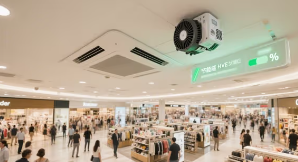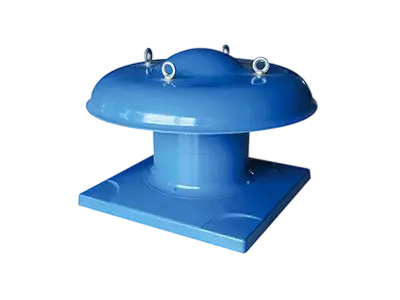

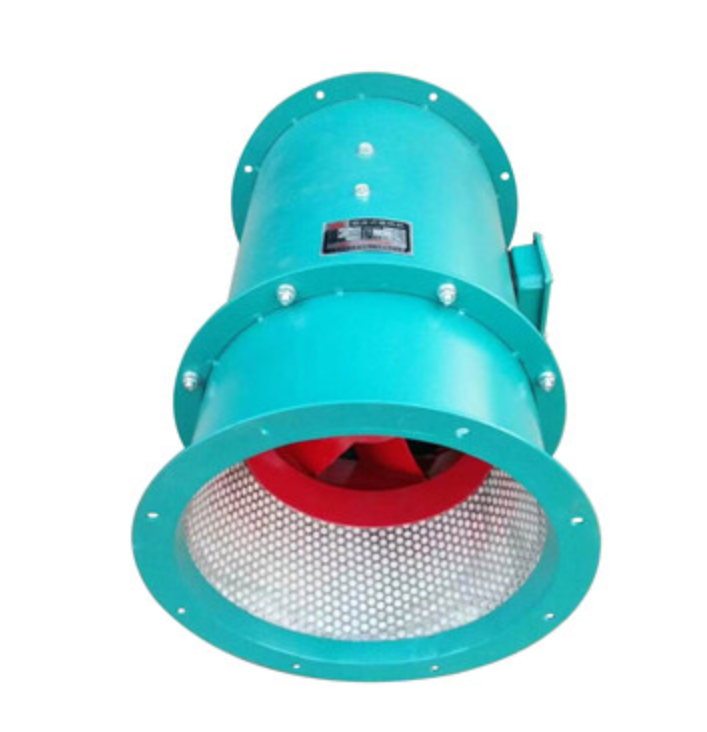
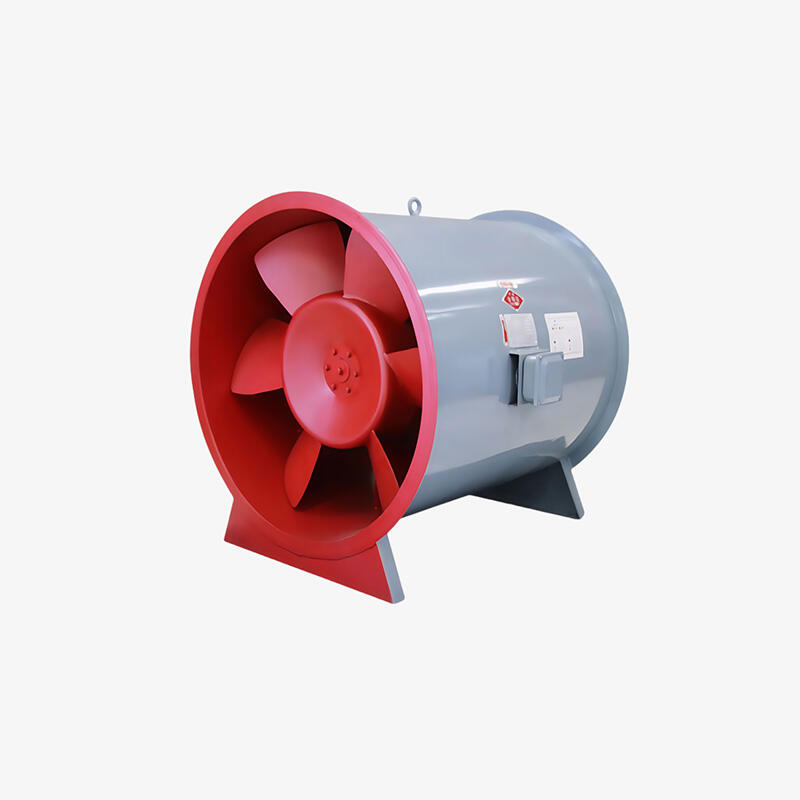
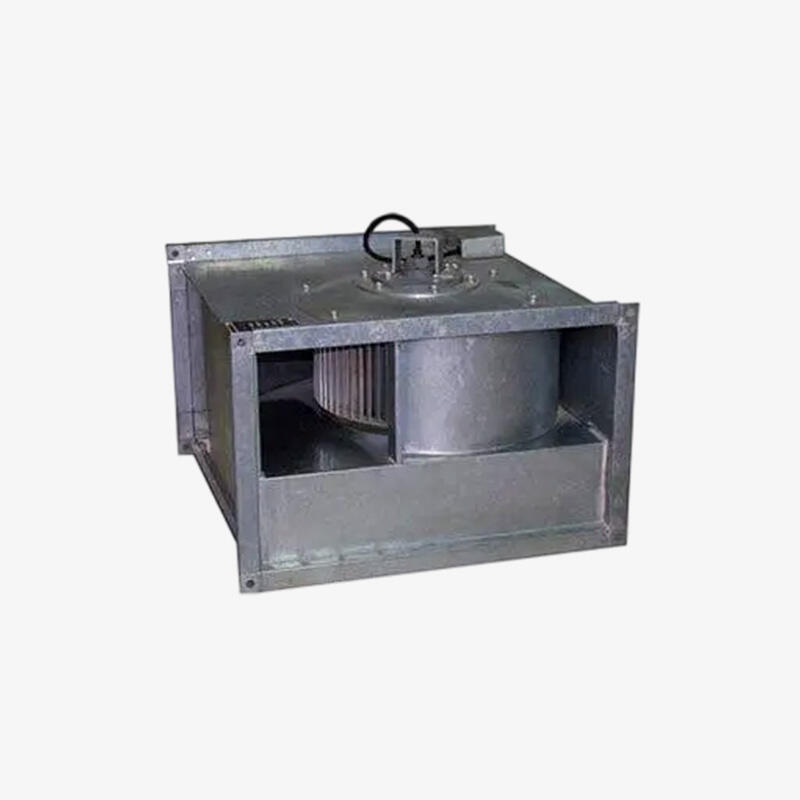
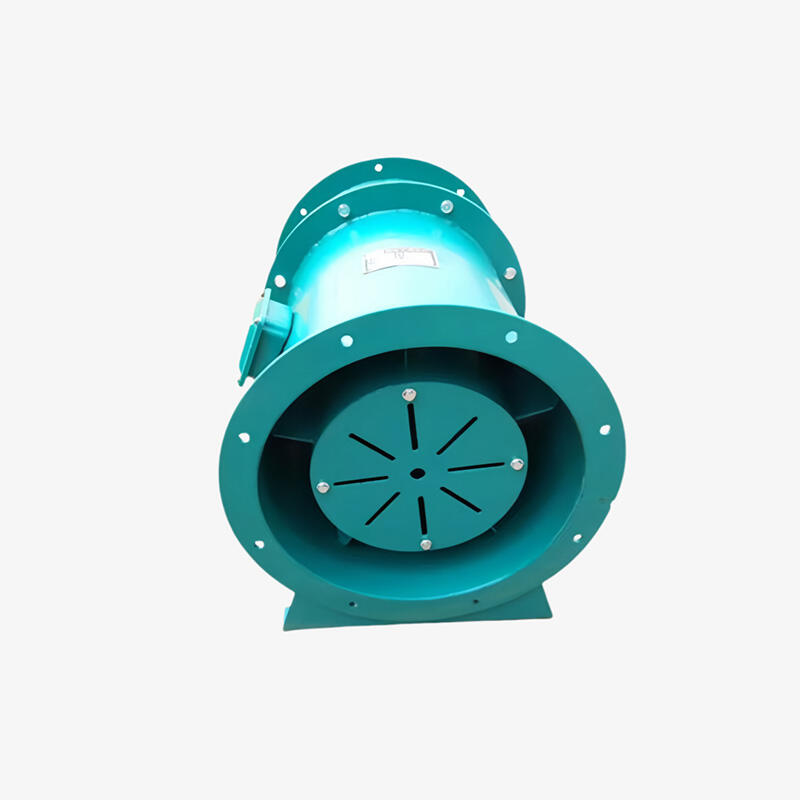
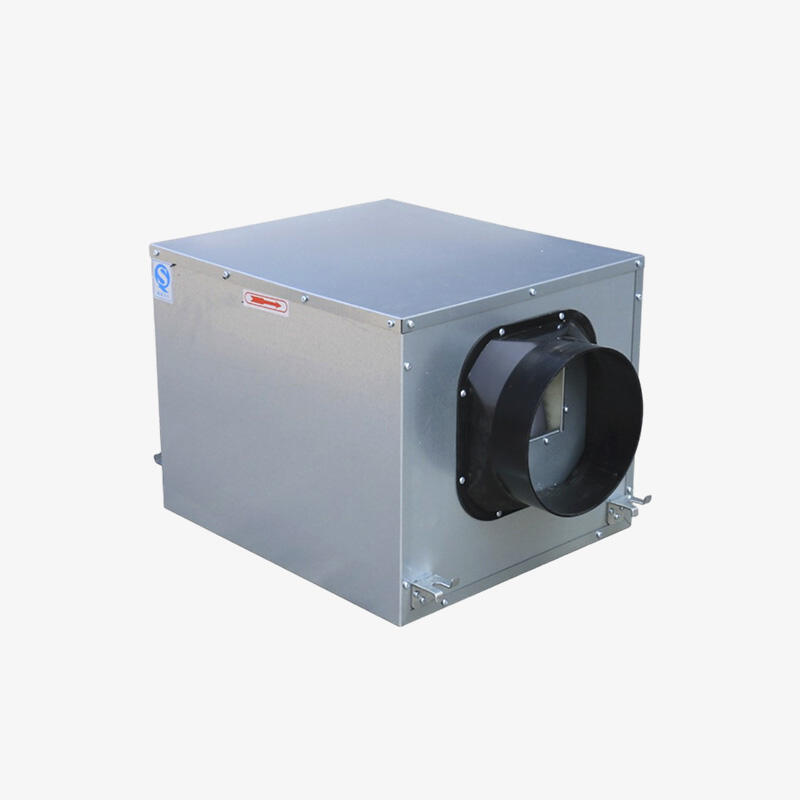
Modern ventilation strategies for industrial and commercial buildings increasingly prioritize energy conservation alongside powerful performance, making the selection of a high efficiency roof exhaust fan a critical engineering decision. Facilities managers and mechanical engineers understand that roof-mounted ventilation units operate continuously in many environments, directly impacting a building's energy expenditure and indoor air quality. A high efficiency roof exhaust fan is engineered not merely to move air but to do so with minimal electrical consumption, often utilizing advanced motor technologies like electronically commutated (EC) motors or premium efficiency permanent magnet motors that significantly reduce operational costs compared to standard induction motors. The aerodynamic design of the impeller plays an equally crucial role; computational fluid dynamics are employed to optimize blade angles and profiles, ensuring that each rotation moves the maximum volume of air against system static pressure. This focus on airflow optimization ensures that the unit delivers the required ventilation rates without oversizing the motor, which is a hallmark of true efficiency. Furthermore, these fans are constructed with durability in mind to withstand the rigors of outdoor exposure, incorporating corrosion-resistant materials such as coated steel or aluminum housings that maintain performance integrity over decades. The integration of a high efficiency roof exhaust fan into a building management system allows for demand-based ventilation, where fan speed modulates in response to real-time air quality sensors or temperature differentials, avoiding the wasteful practice of running fans at full capacity constantly. Whether the application involves removing heat and fumes from a manufacturing floor, managing humidity in a commercial kitchen, or ensuring fresh air circulation in an office complex, the operational savings from a high efficiency roof exhaust fan are substantial, often resulting in a rapid return on investment. By specifying a high efficiency roof exhaust fan, project stakeholders not only comply with increasingly stringent energy codes but also demonstrate a commitment to sustainable building practices. The reduction in energy usage directly correlates with a lower carbon footprint, making these fans a cornerstone of green building certification efforts. In essence, the push toward greater efficiency in exhaust fans reflects a broader industry trend where intelligent design and material science converge to create products that are both powerful and environmentally responsible, ensuring that the air exhausted is managed in the most cost-effective and energy-conscious manner possible.