

Energy Efficient Roof Exhaust Fan: Cut Costs & Improve Airflow

All Categories
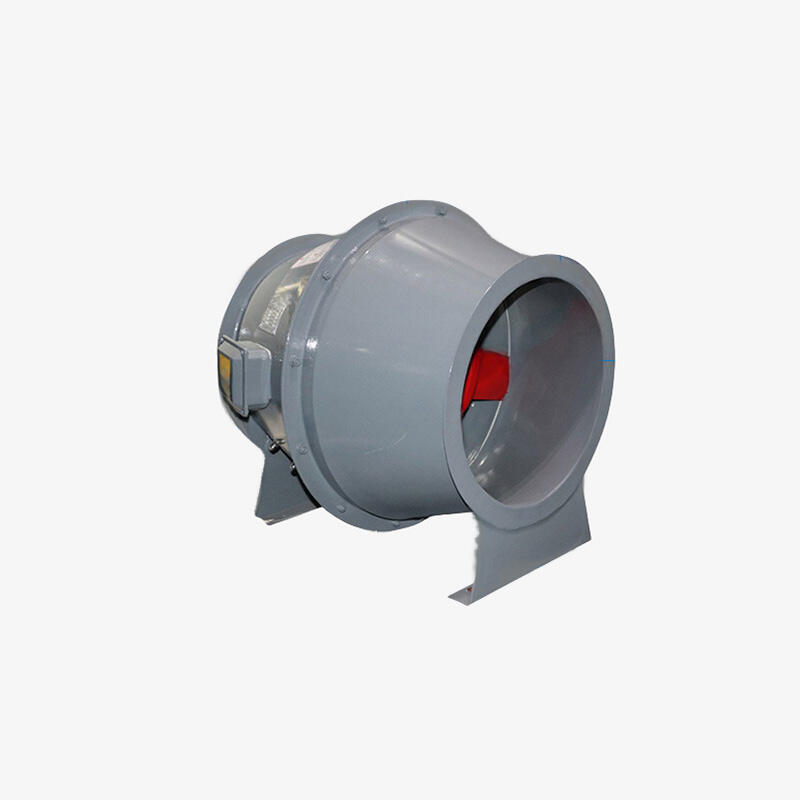
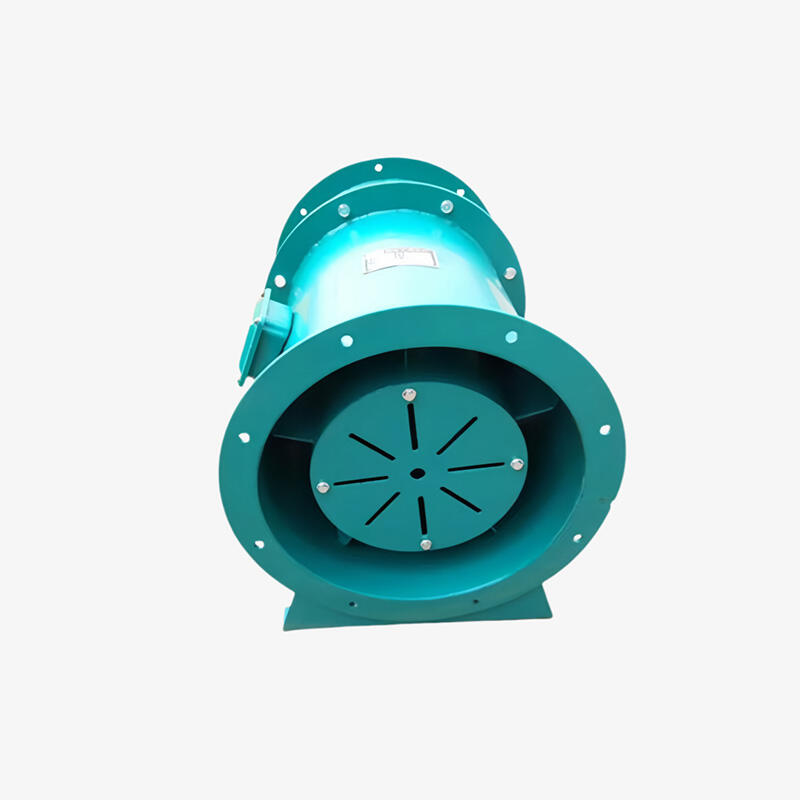
Roof Exhaust Fan: Efficiently Removing Unwanted Air from Buildings

Roof Exhaust Fan: Efficiently Removing Unwanted Air from Buildings

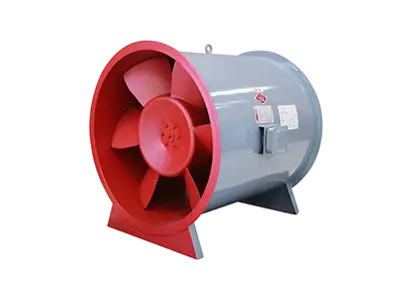
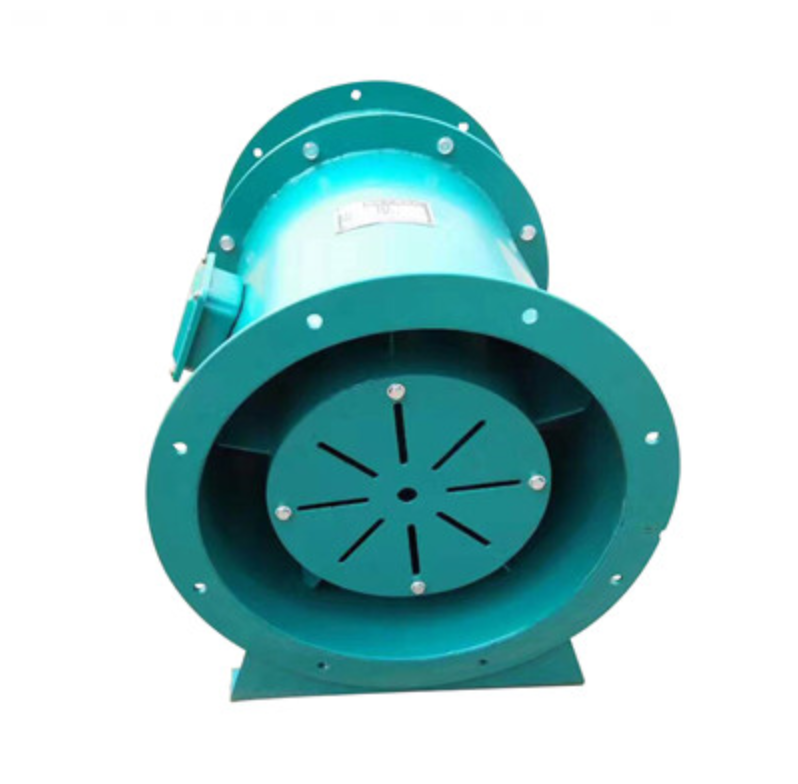
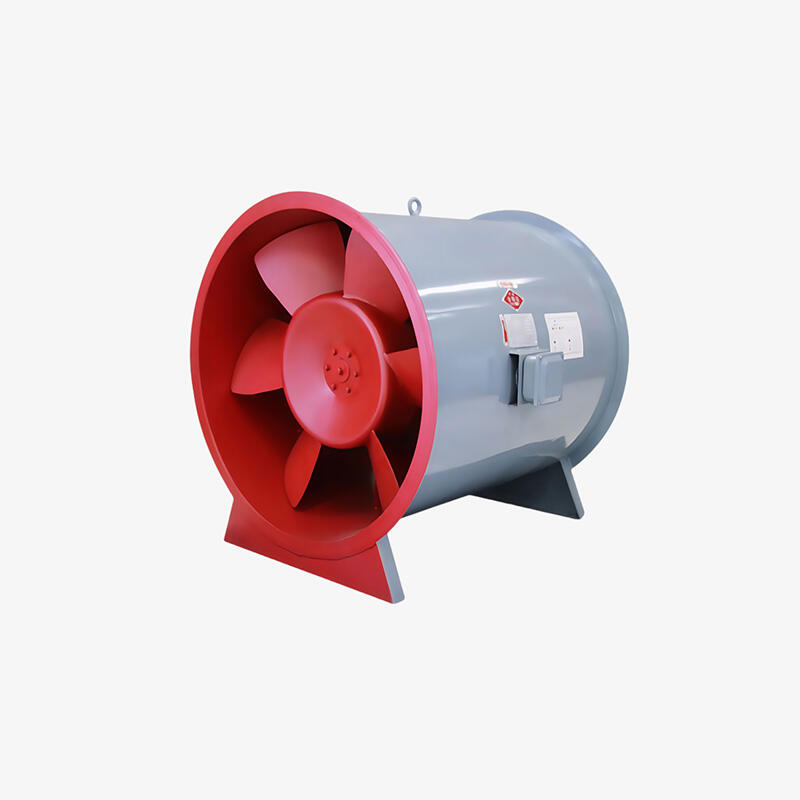
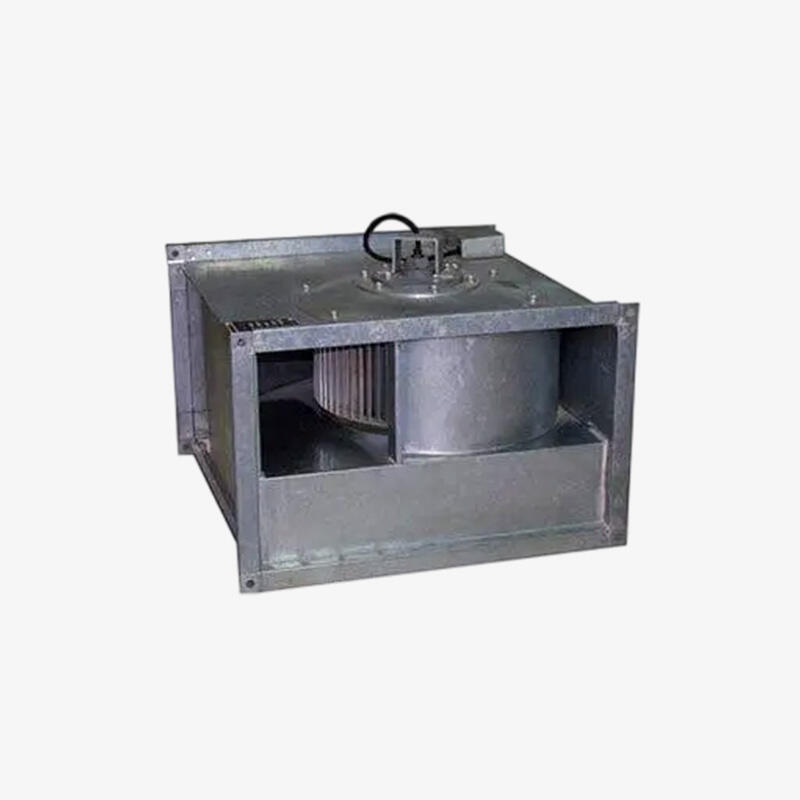
Roof exhaust fans are installed on rooftops to expel hot air, stale air, and pollutants from buildings. Commonly found in industrial plants, large commercial buildings, and warehouses, these fans play a key role in maintaining a comfortable indoor temperature and air quality. Our roof exhaust fans are built with durable materials and powerful motors, capable of handling high - volume airflows even in harsh outdoor conditions. They are designed for easy installation and long - term reliability, ensuring efficient ventilation for buildings.
Get A Quote

Advantages of the product

Resistance to Harsh Environments

With good waterproof, dustproof, and anti-corrosion properties, they can operate stably for a long time in complex outdoor environments, undeterred by wind and rain.

Convenient Intelligent Control

Supports intelligent control, which can automatically adjust the operating status according to indoor and outdoor environmental parameters, achieving a balance between energy saving and efficient exhaust.

Related products

An energy efficient roof exhaust fan is fundamental for reducing household operational costs and environmental impact, a principle deeply embedded in our design philosophy where aerodynamic optimization of fan blades and housings, developed using proprietary molds, minimizes electrical consumption while maximizing cubic feet per minute (CFM) of air moved, directly translating to lower energy bills for the end-user without compromising on extraction power needed for bathrooms, kitchens, or whole-house ventilation. The core of this efficiency lies in the precision-engineered motors and the intelligent control systems we incorporate, which can include variable speed settings and automated humidity or temperature sensors that activate the fan only when necessary, thereby avoiding wasteful continuous operation and ensuring that every watt of power is utilized effectively for air exchange. Our production facility, equipped with a state-of-the-art performance testing laboratory, rigorously validates the energy performance metrics of each fan design, ensuring they meet stringent internal standards that often exceed baseline market expectations for an energy efficient roof exhaust fan, a process bolstered by complete in-house testing equipment and a robust quality management system. This dedication to efficiency extends to our flexible manufacturing approach, allowing for OEM/ODM projects where specific voltage or power requirements can be met to suit regional energy standards, all supported by a decade of global export experience that has refined our understanding of diverse market needs for sustainable, cost-effective ventilation solutions that are as reliable as they are economical over their entire lifecycle.

Common problem

Where is a roof exhaust fan installed?

A roof exhaust fan is installed on the roof of a building, usually to remove hot air, exhaust gases, or other pollutants from the building's interior.
When choosing, factors such as the size of the building, the required air volume for exhaust, the noise level, durability to withstand outdoor conditions, and the type of air to be exhausted (e.g., hot air, fumes) should be considered.
It works by using a fan motor to rotate the blades, creating an airflow that draws air from the building's interior and expels it outside through the roof, driven by the principle of air pressure difference.

Related article

How Mixed Flow Fans Improve Energy Efficiency in Ventilation Systems

07

May

How Mixed Flow Fans Improve Energy Efficiency in Ventilation Systems

Understanding Mixed Flow Fan Technology in Ventilation The Physics Behind Mixed Flow Fans' Energy Efficiency Energy-efficient mixed flow fans combine the best of axial and centrifugal fans. Unlike axial and centrifugal fans which use an axi...
View More

Why Your Ventilation System Needs a Smoke Exhaust Valve

07

May

Why Your Ventilation System Needs a Smoke Exhaust Valve

Understanding Smoke Exhaust Valves in Fire Safety Ventilation SystemsWhat is a Smoke Exhaust Valve?A smoke control damper is a critical part of fire safety ventilation systems which are intended to extract smoke from buildings in the event of a ...
View More
Innovative Solutions for Commercial HVAC Diffusers

07

May

Innovative Solutions for Commercial HVAC Diffusers

Key Types of Commercial HVAC DiffusersDirectional Diffusers for Flexible Airflow Control Directional diffusers give us control over where the air goes, which really helps keep things balanced in different kinds of buildings. These devices are made sp...
View More
Enhancing Indoor Air Quality with HVAC Vent Diffusers

07

May

Enhancing Indoor Air Quality with HVAC Vent Diffusers

Understanding HVAC Vent Diffusers' Role in Indoor Air QualityHow Vent Diffusers Influence Air Circulation Patterns Vent diffusers play a really important part in how air moves around a space, since they have a major effect on circulation patterns and...
View More

Customer Reviews

Luna

I'm impressed by the performance of the roof exhaust fan. It handles large volumes of air with ease.

Ethan

The fan is easy to install and maintain. It's a crucial component for our building's ventilation.

Get a Free Quote

Our representative will contact you soon.
Email
Mobile/WhatsApp
Name
Company Name
Message
0/1000
Roof Guardian, Efficient Waste Exhaustion

Roof Guardian, Efficient Waste Exhaustion

The roof exhaust fan, installed on the roof, efficiently removes hot air, exhaust gases, and pollutants from buildings. Commonly used in industrial plants and large commercial buildings, it can handle large volumes of air, quickly dissipating heat and improving indoor air quality. Its outdoor installation also helps reduce noise and maintain a clean indoor environment.