
 EN
EN
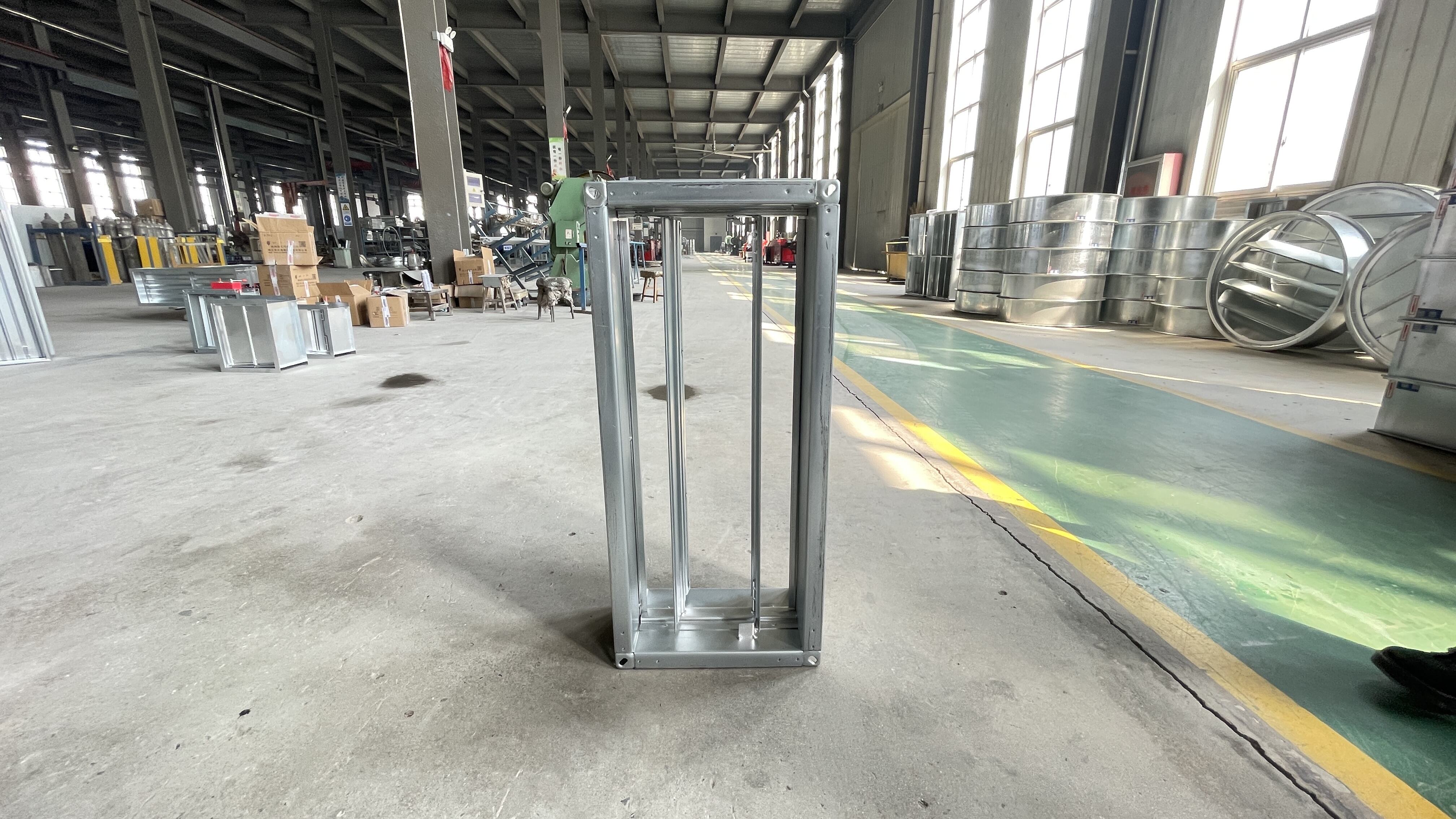
Fire Damper Operation: Thermal Activation, Actuation, and Reliable Closure
Fusible Link Triggers and Temperature-Specific Response (e.g., 72°C or 158°F)
Fire dampers rely on fusible links—precision-calibrated metal alloys—that melt only at predetermined temperatures, most commonly 72°C (158°F). This thermal trigger ensures activation exclusively during actual fire events, preserving normal HVAC operation while delivering immediate, passive closure to block flame and smoke transmission.
Spring-Driven vs. Motorized Actuation in Static and Dynamic Fire Dampers
- Spring-driven systems deliver rapid, fail-safe closure in static fire dampers: when the fusible link melts, stored mechanical energy from compressed springs drives blade movement within seconds.
- Motorized actuation, used in dynamic fire dampers, enables controlled, signal-initiated closure—often integrated with smoke detectors or building management systems for remote testing and coordinated emergency response. Both methods must achieve full blade closure within strict time limits defined by UL 555 and EN 1366 standards.
Blade Integrity, Sealing Performance, and UL/EN Certification Testing Standards
Certified fire dampers are engineered to maintain structural integrity under extreme thermal stress—sustaining performance at temperatures exceeding 1,000°F. Third-party furnace testing per UL 555 and EN 1366 validates three critical criteria:
- Flame resistance for rated durations (e.g., 60–120 minutes),
- Limiting temperature rise on the non-fire side to <300°F, and
- Maintaining gap control (<3 mm) despite thermal expansion of blades and frame. These tests confirm that certified dampers deliver reliable, code-compliant containment—not just nominal compliance.
Fire Damper Role in Compartmentalisation and HVAC Fire Containment
Maintaining Fire-Rated Wall and Floor Barriers at Duct Penetrations
Fire dampers play a critical role in maintaining the fire resistance ratings of walls and floors wherever HVAC ducts pass through these rated structures. These devices get installed at each point where ducts penetrate building components, and will shut off the opening automatically once the surrounding temperature hits around 72 degrees Celsius or about 158 Fahrenheit. This helps keep compartments separated during fires. If buildings lack these dampers, those duct openings essentially become free paths for flames to spread, which defeats the whole purpose of passive fire protection measures. For any facility looking to stay compliant, it's important to make sure these dampers are properly fitted from day one and checked regularly too. Most codes reference UL 555 standards for performance requirements, so regular maintenance isn't just good practice but often legally mandated as well.
Blocking Vertical and Horizontal Fire/Smoke Spread Through Ductwork
The way ductwork spreads fires through buildings deserves attention because of something called the chimney effect. This happens especially fast in vertical spaces such as stairwells and elevator shafts, but it also works horizontally across different areas of a building when left unchecked. That's where fire dampers come into play. When activated during emergencies, these devices create tight seals within the duct system, stopping dangerous air movement that spreads heat, actual flames, and deadly smoke throughout the structure. Industry research indicates that good compartmentalization strategies including well-maintained dampers can actually cut down initial fire growth rates by around 70 percent according to various studies over time. Building codes like NFPA 90A specify exactly where these critical components should go, typically at points where ducts cross between sections with different fire ratings. Proper installation helps maintain building stability while ensuring people have safe escape routes during emergencies.
Critical Protection of Life Safety Infrastructure by Fire Dampers
Shielding Stairwells, Corridors, and Refuge Areas from HVAC-Transmitted Smoke
Fire dampers form a basic part of building safety systems because they stop HVAC equipment from spreading poisonous smoke throughout areas people need to evacuate safely. Smoke gets into places like staircases, hallways, and special refuge spots where folks might have to wait until help arrives. This smoke problem is really dangerous since breathing it in causes between half and four fifths of all deaths related to fires according to FEMA reports. When temperatures start rising, these dampers close off air ducts which helps keep those important spaces breathable. This actually meets what NFPA 101 says about needing clean air pathways when escaping emergencies and having somewhere safe to stay while responders arrive on scene.
FAQ
What activates a fire damper?
Fire dampers are activated by fusible links that melt at predetermined temperatures, usually 72°C (158°F), triggering the damper to close during a fire.
What is the role of fire dampers in a building?
Fire dampers help maintain the fire resistance ratings of walls and floors by automatically sealing off openings in HVAC ducts during a fire to prevent flame and smoke spread.
How do spring-driven and motorized fire dampers differ?
Spring-driven fire dampers close using mechanical energy from springs and are used in static systems, while motorized fire dampers use controlled actuation, often integrating with smoke detectors or management systems, in dynamic systems.