
 EN
EN
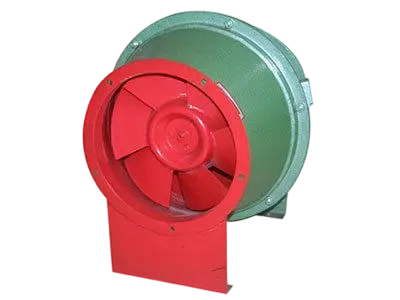
How Roof Exhaust Fans Enable Effective Smoke and Air Exhaust
Life Safety Mechanism: Rapid Smoke Layer Management and Evacuation Pathway Protection
Roof exhaust fans play a vital role in keeping people safe during fires by pulling out dangerous smoke and creating space for people to escape. These systems work fast, usually getting rid of smoke layers within about 90 seconds after turning on, as specified in NFPA 92 standards. They keep air clean enough to breathe near the ground where people need it most. Smoke tends to settle low, making it hard to see and causing serious breathing problems that account for around three quarters of all deaths from fires according to recent data from NFPA. The fans create negative pressure that pushes smoke away from important areas like staircases and exit doors. At the same time, they help stop fires from spreading through clever pressurization techniques. When temperatures hit about 135 degrees Fahrenheit, thermal sensors kick these systems into action automatically. This connects seamlessly with other fire alarms in the building so everything responds together during emergencies.
Key Performance Metrics for Roof Exhaust Fans: CFM, Static Pressure, and Thermal Activation Response
Selecting roof exhaust fans demands careful evaluation of three interdependent performance criteria:
- CFM (Cubic Feet per Minute): Reflects volumetric air displacement capacity. Industrial units typically deliver 5,000–50,000 CFM, sized using ASHRAE 62.1 smoke exhaust calculations.
- Static Pressure: Indicates resistance tolerance in ducted systems. Reliable smoke extraction across complex networks requires fans capable of sustaining 0.25–1.0 inches of water column (in. WC).
- Thermal Activation Response: A core life safety requirement—fans must reach full operational capacity within 60 seconds of thermal detector activation (NFPA 92), with fusible links calibrated to precise temperature thresholds.
Optimizing these metrics reduces smoke-filled conditions by up to 70% compared to passive ventilation. Variable-speed drives further enhance system responsiveness and energy efficiency by adapting airflow to real-time demand—without compromising smoke clearance timelines.
Code Compliance and Integration Requirements for Roof Exhaust Fans
NFPA 92, IRC/IMC, and IBC Mandates: Sizing, Actuation Timing, and Fire Alarm Interface
When it comes to roof exhaust fans, compliance with NFPA 92 standards is non-negotiable for proper smoke management. The sizing has to be based on cubic feet per minute calculations so those pesky smoke layers stay well below dangerous levels when things go south in an emergency situation. Both IBC and IMC codes demand that these systems kick into action within 60 seconds after the alarm goes off, which makes all the difference in containing smoke effectively. Speaking of alarms, NFPA 72 requires tight integration with fire alarm systems across the board. When automatic signals hit the system, they need to shut down HVAC operations while simultaneously activating various smoke control features like stairwell pressurization to keep escape routes safe. And let's not forget about how NFPA 72 lays out exactly how signals should travel between fire alarm panels and mechanical equipment throughout buildings, stopping smoke from spreading where it shouldn't go.
Energy Code Considerations: U-Value, ADL, and Thermal Break Design in Roof-Mounted Units
Beyond fire safety, modern roof exhaust fans must meet ASHRAE 90.1 energy efficiency standards. Key requirements include:
- U-value (thermal transmittance): ¥ 0.24 BTU/(hr·ft²·°F) for roof curbs to minimize conductive heat loss
- ADL (Air Leakage): ¥ 2% of rated fan airflow at 1" water gauge static pressure
Thermal break designs—incorporating non-conductive spacers between interior and exterior panels—suppress condensation, reduce energy loss by 15–30% in cold climates, and support IECC insulation continuity requirements while mitigating ice dam formation.
Roof Exhaust Fans vs. Natural Ventilation: When Mechanical Exhaust Is Essential
Overcoming Thermal Buoyancy Limits and Weather-Dependent Gaps in Smoke Removal Reliability
Roof mounted exhaust fans actually fix some pretty big problems with relying solely on natural ventilation when it comes to controlling smoke. The passive approach works by using heat rising and wind blowing through spaces, but these things can be all over the place depending on what kind of day it is outside. When there's no wind at all or temperatures flip upside down in strange ways, the whole natural convection thing just stops working properly, which means smoke builds up dangerously inside buildings. That's where mechanical exhaust systems shine because they keep moving air around consistently no matter what's happening outside. Industrial strength models will stay within about 5% accuracy of their rated cubic feet per minute performance even during harsh winter storms or scorching summer heat waves. Meeting those strict NFPA 92 requirements for clearing smoke layers within two minutes becomes possible with this kind of system something traditional methods simply cant promise. Plus mechanical fans handle tricky building designs better too, whether dealing with short ceilings or tight enclosed areas where natural airflow just refuses to work right.
| Factor | Natural Ventilation | Roof Exhaust Fans |
|---|---|---|
| Weather Dependency | High (unreliable in calm/still conditions) | Low (consistent operation) |
| Smoke Clearance Speed | Variable (minutes to hours) | Predictable (<2 minutes) |
| Thermal Buoyancy Utilization | Passive only | Active enhancement |
| Compliance Certainty | Limited (climate-restricted) | Guaranteed (designed per IBC) |
By eliminating weather dependency and thermal inertia, roof exhaust fans ensure year-round compliance with IRC/IMC evacuation pathway standards—making them indispensable where life safety cannot be contingent on atmospheric conditions.
Balancing Exhaust with Make-Up Air: Ensuring System Efficiency and Indoor Air Quality
ASHRAE 62.1 and IMC Requirements for Coordinated Intake—Dedicated vs. Infiltration-Based Solutions
When roof exhaust fans kick in to clear out smoke or excess heat, they create a pretty significant negative pressure situation inside buildings. If there's no proper make-up air system working alongside them, all sorts of problems pop up. Combustion appliances start drawing air backward instead of outward, doors become harder to open and close, and the overall indoor air quality takes a hit. Building codes like ASHRAE 62.1 and the International Mechanical Code actually mandate that these systems work together to keep pressure levels balanced throughout different areas of the building. Installing dedicated make-up air units makes sense because these devices actively bring in fresh, conditioned outdoor air instead of relying on whatever random drafts might happen through windows or gaps in construction. Those little cracks let in not just air but also dust particles, moisture from outside, and various airborne contaminants we definitely don't want indoors. Adding thermal breaks to roof mounted equipment helps prevent condensation issues and keeps heat from transferring where it shouldn't go. Studies have shown that going with dedicated MAUs cuts down on energy costs by somewhere between 15 to 30 percent compared to letting infiltration handle things naturally. Plus, occupants get better indoor air quality and consistent pressure readings even when those powerful exhaust fans are running full tilt.
FAQ Section
What are roof exhaust fans used for?
Roof exhaust fans are primarily used for removing smoke and maintaining air quality in buildings during emergencies, such as fires. They help create safe evacuation paths by clearing smoke quickly.
How quickly do roof exhaust fans clear smoke according to standards?
Roof exhaust fans are expected to clear smoke layers within about 90 seconds of activation, according to NFPA 92 standards.
Why is negative pressure important in roof exhaust fans?
Negative pressure is important because it helps direct smoke away from crucial areas like staircases and exit doors, aiding in safe evacuation during emergencies.
What role do thermal sensors play in roof exhaust fans?
Thermal sensors automatically activate roof exhaust fans when temperatures reach approximately 135 degrees Fahrenheit, ensuring timely smoke removal during fires.
How do roof exhaust fans contribute to energy efficiency?
Roof exhaust fans meet ASHRAE 90.1 energy efficiency standards, incorporating thermal break designs that reduce energy loss and improve insulation, leading to lower energy costs.
Table of Contents
- How Roof Exhaust Fans Enable Effective Smoke and Air Exhaust
- Code Compliance and Integration Requirements for Roof Exhaust Fans
- Roof Exhaust Fans vs. Natural Ventilation: When Mechanical Exhaust Is Essential
- Balancing Exhaust with Make-Up Air: Ensuring System Efficiency and Indoor Air Quality
- FAQ Section