
 EN
EN
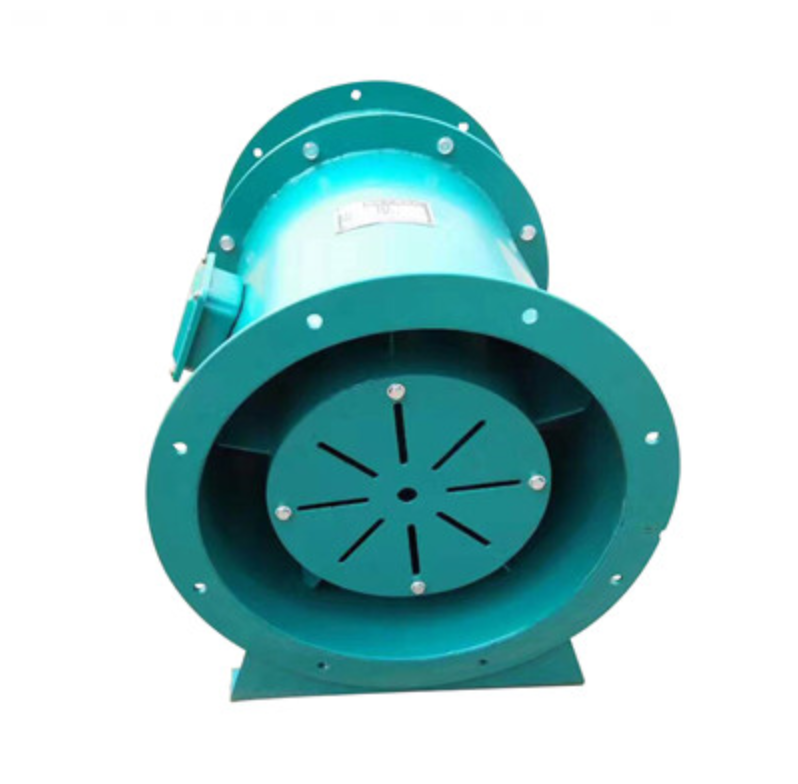
The Unique Ventilation Demands of High-Rise Buildings
Stack Effect and Wind-Driven Pressure Imbalances
The physics governing high-rise ventilation differs fundamentally from low-rise structures. Stack effect—the vertical airflow driven by temperature differentials between indoor and outdoor air—creates extreme pressure gradients in tall buildings. Warm interior air rises through elevator shafts and stairwells, generating positive pressure at upper floors and negative pressure at lower levels. Wind interacting with the façade amplifies these imbalances, producing uneven pressure zones across the building envelope. This dual force can overpower passive ventilation strategies and distort intended airflow paths. Consistent indoor air quality (IAQ) therefore depends on engineered solutions explicitly designed to counteract both stack effect and wind-driven interference.
Why Standard Roof Exhaust Fans Underperform in Tall Structures
Conventional roof exhaust fans frequently underperform in high-rises due to insufficient static pressure capacity. As air travels vertically through duct risers, friction loss accumulates exponentially with height—reducing effective airflow by up to 40% in a 30-story building. Axial fan designs, commonly deployed in low-rise applications, lack the pressure capability to overcome cumulative resistance from long duct runs and stack-induced backpressure. The result is airflow instability, inconsistent exhaust rates across floors, and avoidable energy waste. A properly specified roof exhaust fan must deliver sufficient static pressure to maintain stable exhaust performance despite dynamic wind conditions and vertical resistance.
Key Performance Requirements for High-Rise Roof Exhaust Fans
Selecting the right roof exhaust fan for tall structures demands specialized performance metrics to overcome unique vertical challenges.
Static Pressure Capacity and Airflow Stability at Height
In high-rise buildings, stack effect intensifies pressure differentials—often exceeding 1.5 inches water gauge (in. w.g.) at upper floors—requiring fans with robust static pressure capacity to sustain consistent airflow. Standard units designed for low-rise applications falter under these loads, risking ventilation failure. For example, a 40-story building may require fans rated for 2–3× higher static pressure than those used in mid-rises to counteract wind-driven imbalances and ensure reliable exhaust. This prevents backdraft, preserves IAQ, and avoids energy penalties from compensatory mechanical systems. Fan stability across variable loads is critical: unmitigated turbulence at height can erode efficiency by up to 30%.
Centrifugal vs. Axial Designs for Vertical Riser Applications
Centrifugal and axial fans serve distinct roles in high-rise ventilation—particularly for vertical risers. Centrifugal designs excel in pressure-intensive scenarios, generating up to 4 in. w.g. to propel air efficiently through elongated ducts. They are ideal for centralized exhaust systems where resistance is high and duct integrity matters. Axial fans prioritize high-volume airflow at low-to-moderate pressures but struggle as riser height increases and resistance mounts. For vertical applications, centrifugal units reduce noise and leakage risks by 25–40% compared to axial alternatives.
| Feature | Centrifugal Fan | Axial Fan |
|---|---|---|
| Static Pressure | High (2–4 in. w.g.) | Low-Moderate (≤1 in. w.g.) |
| Airflow Efficiency | Optimized for ducted systems | Best for direct, short paths |
| Noise Output | Lower (≤60 dB) | Higher (≥65 dB) |
| Vertical Suitability | Superior for long risers | Limited above 10 stories |
Strategic Roof Exhaust Fan Placement and Integration
Avoiding Re-Entry, Cross-Contamination, and Turbulent Inflow
Correct placement of roof exhaust fans is critical to eliminating air quality risks in high-rises. Units should be positioned at least 70–100 cm from parapets or mechanical obstructions to prevent turbulent inflow—which can reduce efficiency by up to 40%. Exhaust vents must be located near concentrated pollution sources such as kitchens, laboratories, or chemical storage areas, while intake vents occupy lower building zones. This vertical separation leverages natural convection to minimize re-entry of contaminated air and cross-contamination between floors. Critical clearance guidelines include:
- Maintaining 8× fan-diameter clearance on exhaust sides
- Prioritizing roof-edge placements over central locations
- Angling discharge away from prevailing winds
During a Dubai high-rise retrofit, strategic repositioning alone reduced particulate re-entry by 92%. Seasonal wind pattern analysis remains essential during installation planning to ensure year-round performance reliability.
Ensuring System Efficiency: Duct Integrity and Energy Impact
How Duct Leakage Undermines Roof Exhaust Fan Performance and IAQ
Duct leakage severely compromises roof exhaust fan effectiveness in high-rises. Even minor gaps—as little as 5% of duct surface area—can reduce airflow by 15–20%, forcing fans to operate at higher speeds and increasing energy consumption by up to 30%. This inefficiency destabilizes pressure differentials, disrupting vertical airflow and allowing smoke, VOCs, and outdoor pollutants to infiltrate occupied spaces. When contaminants bypass filtration through leaky joints, IAQ deteriorates significantly. Properly sealed ducts—verified through rigorous pressure testing—maintain consistent exhaust rates and prevent cross-contamination between floors, a requirement especially critical in medical facilities and laboratories where airborne containment is non-negotiable.
FAQ
What is the stack effect in high-rise buildings?
The stack effect refers to the vertical airflow driven by temperature differentials between indoor and outdoor air in tall structures. Warm interior air rises, creating positive pressure at upper floors and negative pressure at lower levels.
Why do standard roof exhaust fans underperform in high-rises?
Standard roof exhaust fans lack sufficient static pressure capacity to counteract stack effect and friction loss in long duct runs, leading to airflow instability and energy inefficiency.
What are the advantages of centrifugal fans in high-rise ventilation?
Centrifugal fans offer high static pressure capacity, making them ideal for pressure-intensive scenarios. They are better suited for long risers, reduce noise, and minimize leakage risks compared to axial fans.
How can duct leakage impact ventilation in high-rises?
Duct leakage reduces airflow efficiency, destabilizes pressure differentials, and increases energy consumption. It also allows contaminants to bypass filtration, compromising indoor air quality.
What is the importance of roof exhaust fan placement in tall buildings?
Proper placement prevents turbulent inflow, cross-contamination, and re-entry of contaminated air. Positioning fans strategically enhances efficiency and indoor air quality while reducing pollution risks.
Table of Contents
- The Unique Ventilation Demands of High-Rise Buildings
- Key Performance Requirements for High-Rise Roof Exhaust Fans
- Strategic Roof Exhaust Fan Placement and Integration
- Ensuring System Efficiency: Duct Integrity and Energy Impact
-
FAQ
- What is the stack effect in high-rise buildings?
- Why do standard roof exhaust fans underperform in high-rises?
- What are the advantages of centrifugal fans in high-rise ventilation?
- How can duct leakage impact ventilation in high-rises?
- What is the importance of roof exhaust fan placement in tall buildings?