
 EN
EN
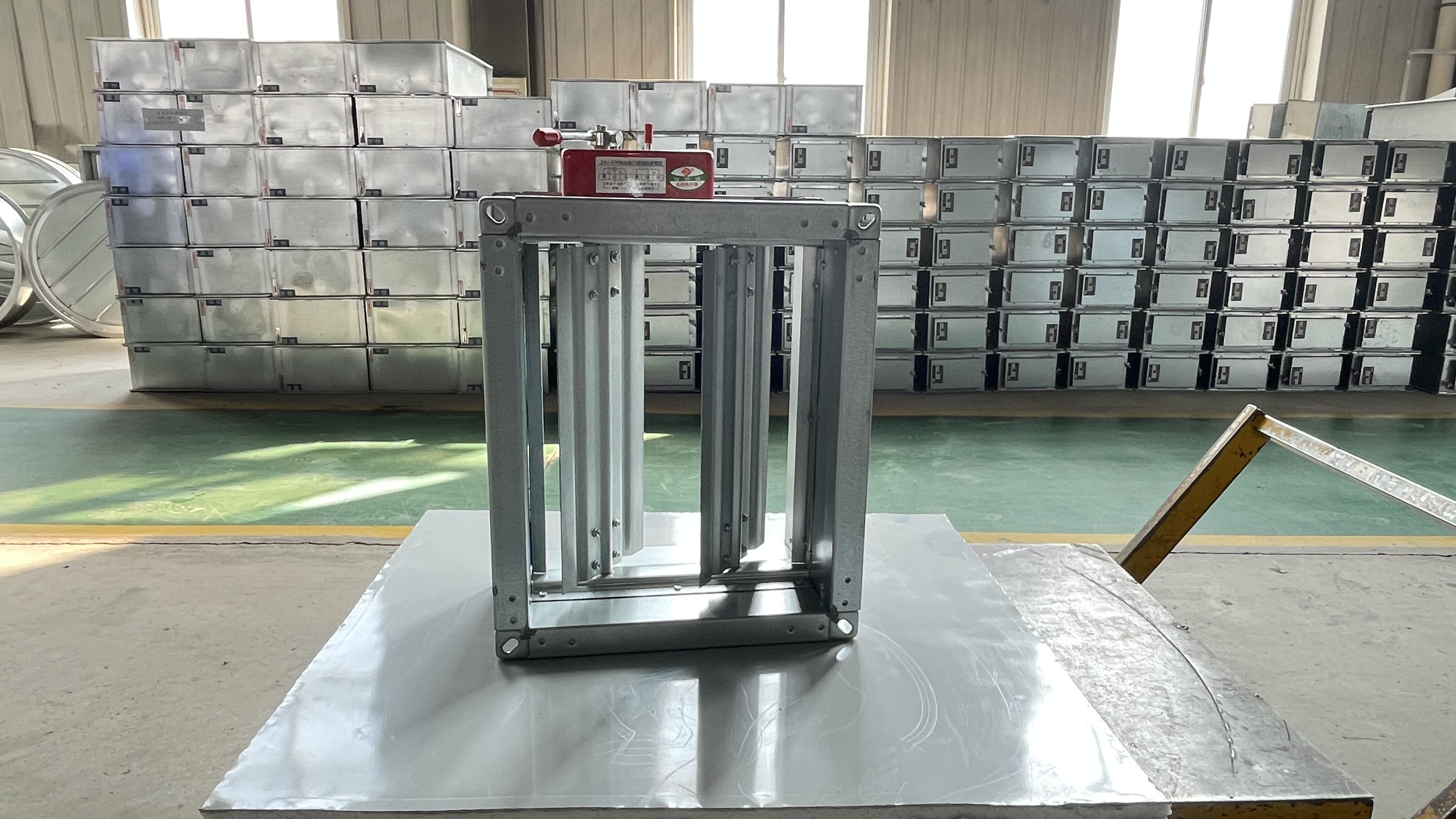
How Fire Dampers Work: Thermal Activation and Sealing Mechanisms
Fusible Link Activation at Critical Temperatures
Fire dampers work through something called fusible links which are basically metal parts designed to break when they reach certain temperatures. Most buildings have them set to melt either around 165 degrees Fahrenheit (that's about 74 Celsius) or sometimes higher at 212 F (100 C), depending on what local building regulations require. During a fire situation, if the air inside the duct gets too hot, this metal component just gives way, letting go of whatever holds the damper blades open. What happens next is pretty quick actually - those springs we talked about earlier kick in and push the blades closed within seconds flat. This action creates a barrier that stops both fire spread and heat moving from one part of the building to another. Studies show that properly installed fire dampers can give people roughly twice as much time to evacuate safely compared to buildings where nothing has been done to secure the heating ventilation system according to recent safety reports from Life Safety Digest in 2023.
Intumescent Seals and Airtight Closure for Smoke Containment
When activated, the intumescent seals along the damper frame start expanding around 248 degrees Fahrenheit or so (about 120 Celsius). What happens next is pretty remarkable - these materials undergo a chemical reaction that actually fills those tiny spaces between moving parts with a tough carbon layer. The result? An airtight barrier certified by NFPA standards that stops nearly all smoke particles from getting through. Tests have shown something interesting too: when equipped with special graphite additives, these seals cut down on dangerous gases escaping by almost 88 percent compared to regular versions. This matters a lot because it keeps staircases and hallways free from smoke during fires, which are essential areas people need clean air access in emergency situations.
Fire Damper vs. Fire/Smoke Damper: Key Functional Differences
When a Dedicated Fire Damper Suffices vs. When Dual-Function Is Required
Fire dampers are designed to kick in when things get really hot, usually around 165 degrees Fahrenheit (that's about 74 Celsius) as the fusible link melts down. These devices work great for stopping flames and super heated air from spreading through building ventilation systems. They tend to be good enough for places that aren't so important from a safety standpoint, like those mechanical rooms nobody ever goes into or storage spaces where there isn't much valuable stuff. Smoke control isn't usually required there anyway, and regular fire rated walls often do the job just fine without needing extra protection measures.
Combination fire and smoke dampers bring together heat sensing and smoke detection in one unit to block off ductwork from both fire spread and dangerous fumes. Building codes mandate these devices along critical escape routes like staircases and hallway exits where people face the biggest risk from breathing in smoke during emergencies. What makes them stand out is this two-pronged approach that lets them shut down quickly and work together effectively, keeping escape areas safe enough for occupants to get out. This meets the standards set by NFPA 105 and the International Building Code when it comes to managing smoke actively throughout buildings.
Strategic Placement of Fire Dampers to Protect Evacuation Routes
Critical Locations: Stairwells, Corridors, and HVAC Penetrations
Strategic placement of fire dampers is essential for effective compartmentalization and evacuation route protection. Engineers prioritize three high-risk zones:
- Stairwells and corridors: As primary escape routes, these require dampers installed at wall and floor penetrations to prevent smoke infiltration during emergencies.
- HVAC duct penetrations: Dampers placed where ducts pass through fire-rated assemblies halt flame and smoke migration through ventilation systems—preventing vertical spread between floors.
Getting the placement right means making sure every damper lines up correctly with those fire compartment boundaries. Take corridor ceiling dampers for instance they really make a difference in keeping visibility intact because they cut down on that intense radiant heat. And then there are those dampers that seal off vertical HVAC shafts these bad boys actually prevent toxic fumes from spreading between different building levels. Combine all this with proper firewalls, good detection systems, and effective smoke management strategies, and what do we get? A solid passive defense system that gives people much more time to safely evacuate. Fire tests have shown this setup can keep conditions tolerable for well over 90 minutes in areas that are properly protected, which is pretty impressive when considering standard safety requirements.
FAQ
What is a fusible link in fire dampers?
A fusible link is a metal component designed to break at specific temperatures, releasing the damper blades to close and prevent fire and heat from spreading through ductwork.
How does an intumescent seal work?
Intumescent seals expand and undergo a chemical reaction at high temperatures, creating an airtight barrier that stops smoke and gases from passing through damper frames.
What are the differences between fire dampers and fire/smoke dampers?
Fire dampers are primarily for stopping flames and heat spread, while combination fire/smoke dampers block both fire and smoke, protecting critical escape routes during emergencies.