
 EN
EN
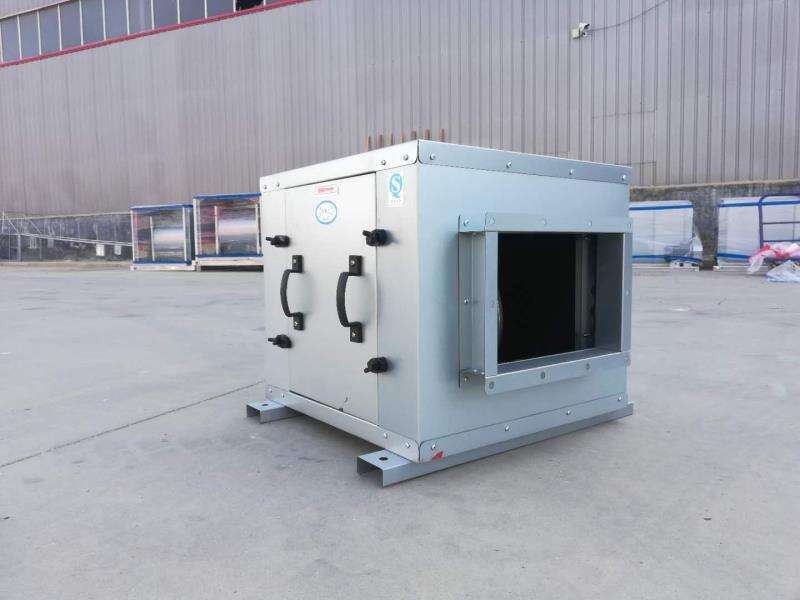
Why Ventilation Systems Are Essential for Healthy Indoor Air Quality
The Science Behind Ventilation and Pollutant Removal: Dilution, Exchange, and Filtration
Good ventilation fights indoor air pollution mainly through three methods working together: diluting bad air, exchanging it regularly, and filtering out harmful stuff. When we bring in fresh outside air to replace what's inside, it cuts down on pollutants significantly. Studies show this can lower concentrations by around 60% in houses with proper mechanical systems according to standard guidelines. Regular air movement helps get rid of old, stagnant air that builds up all sorts of nasty stuff over time. And then there are those fancy filters that catch tiny particles floating around. The MERV-13 ones work pretty well actually, grabbing about 85% of those dangerous PM2.5 particles and similar microscopic debris. All these things combined matter a lot nowadays because so many buildings are super tight sealed against drafts. Inside these spaces, pollutants tend to build up at least five times quicker than they would outside since there's not much natural airflow coming in from cracks or windows anymore.
Real-World IAQ Gains: CO₂, VOCs, and PM2.5 Reduction Data from UK BRE and US EPA Studies
Peer-reviewed field studies confirm consistent, measurable improvements in indoor air quality (IAQ) when ventilation systems are properly installed and maintained:
| Pollutant | Reduction Rate | Study Source |
|---|---|---|
| CO₂ | ≥50% | UK Building Research Establishment (BRE), 2023 |
| VOCs | 35-70% | US Environmental Protection Agency (EPA), 2023 |
| PM2.5 | 45-80% | Joint UK BRE-US EPA collaborative analysis |
The connection between these improvements and actual health results is pretty clear. According to US EPA findings, we see around a 20 to 35 percent drop in respiratory problems when proper measures are taken. BRE research backs this up too, showing that good ventilation stops about four out of five mould issues in spaces where humidity stays controlled. What's really important though? Systems that are properly designed keep those tiny particles (PM2.5) consistently under the World Health Organization's target level of 5 micrograms per cubic meter. This isn't just some abstract concept either. Real people experience real protection from these systems working as intended, making all the difference in day to day living conditions.
Types of Residential Ventilation Systems: MVHR, MEV, and Smart DCV Solutions
MVHR vs. MEV: Performance, Efficiency, and Suitability for New Build vs. Retrofit Homes
In residential air management systems, MVHR and MEV play different but important roles. The MVHR system pulls out stale indoor air while bringing in fresh air that has been filtered, and in the process manages to recover about 90% of the heat from what goes out. This kind of balanced approach saves energy, which is why many builders choose it when constructing new homes that need to be really airtight. Thermal performance matters a lot here, and maintaining good indoor air quality just cant be ignored anymore. On the other hand, MEV works differently. It's basically a central extraction system that takes moisture away from places like kitchens and bathrooms continuously at low levels. Fresh air comes in passively through small openings or those little trickle vents we often see installed. Installation for MEV tends to cost around half what an MVHR would, sometimes even less. But there's a catch though MEV doesn't recover any heat at all, and airflow can become uneven in bigger houses or buildings that aren't very porous.
| System | Key Advantages | Limitations | Best Application |
|---|---|---|---|
| MVHR | >90% heat recovery; stable IAQ; integrated high-efficiency filtration | Higher upfront cost; requires careful ductwork design and commissioning | New builds meeting airtightness targets (<3 m³/h/m² @ 50 Pa), including those aligned with the UK Future Homes Standard (2025) |
| MEV | Lower installation complexity; effective condensation control in wet rooms | No thermal recovery; variable performance in retrofit settings with unpredictable air leakage paths | Retrofits and older properties with moderate airtightness, where full ducted systems are impractical |
Decentralised MEV (d-MEV) offers a flexible alternative for retrofits, delivering room-level extraction without major structural intervention. Yet for new construction targeting regulatory compliance and long-term health performance, MVHR remains unmatched in delivering simultaneous energy efficiency and robust air quality control.
Smart Ventilation Systems: AI-Powered Demand-Controlled Ventilation for Optimal Air Quality and Energy Use
The latest generation of ventilation systems now bring together artificial intelligence with real time sensor networks, which helps them adjust air quality while saving on energy at the same time. Demand controlled ventilation or DCV systems keep an eye on several factors including carbon dioxide levels measured in parts per million, volatile organic compounds tracked in parts per billion, humidity percentages, and fine particulate matter counts in micrograms per cubic meter. They also watch how many people are present in a space and check what's happening outside weather wise. These systems then tweak things like fan speed, adjust bypass settings, and change how much heat gets recovered from exhaust air. The result? Fresh air flows exactly where it needs to go and when it's actually required, rather than just running all day long.
Tests in real world settings indicate these systems cut down on energy usage somewhere between 25% and 40% when compared with traditional constant flow systems, all while keeping indoor air quality within safe limits set by health standards. The newer DCV technology actually adjusts what it does based on actual conditions. Take kitchens for example they kick into high gear when someone starts cooking to handle those sudden increases in moisture and bad smells, then dial things back when nobody's around. This approach gets rid of both wasted energy and uncomfortable drafts that happen with too much ventilation. Plus, it clears out harmful stuff from the air about three times quicker than old fashioned timers or people manually adjusting vents. With buildings needing to meet stricter rules about going carbon neutral, implementing smart demand controlled ventilation seems like the best bet for creating healthier spaces without breaking the bank on energy costs.
Health Risks of Inadequate Ventilation and Benefits of a Well-Designed Ventilation System
From Mould to Cognitive Fatigue: Clinical Evidence Linking Poor Ventilation to Respiratory Illness and Reduced Productivity
Poor ventilation leads to all sorts of health problems because of actual physical stresses on the body. When air gets stuck and stays humid, it breeds mold growth which can really mess with allergies and even cause asthma to develop. The World Health Organization found back in 2021 that kids living in damp houses without good airflow had between 30 and 50 percent more cases of asthma. Carbon dioxide builds up too when rooms are sealed tight with several people inside. This stuff actually hurts brain function according to research. People report getting headaches, trouble focusing, and their ability to make decisions drops around 10% in these conditions. Another study from the UK Building Research Establishment showed last year that keeping humidity over 60% for extended periods makes respiratory infections 20% more likely. And let's not forget about those VOCs and tiny particles called PM2.5 floating around. Long term exposure causes inflammation throughout the body and puts extra strain on the heart and blood vessels over time.
Good ventilation systems actually make a real difference for health reasons. When these systems properly handle things like moisture levels, carbon dioxide buildup, and dust particles, they create spaces where there's plenty of fresh oxygen and fewer allergens floating around. This kind of environment helps boost the body's defenses against illness while also keeping people mentally sharp throughout the day. The Environmental Protection Agency has found that students and workers in buildings with better airflow tend to score about 15% higher on thinking tests. So clean air matters beyond just feeling good it plays a fundamental role in how well we perform at work or school and affects our overall health over time.
Integrating Ventilation Systems with Modern Home Standards: Airtightness, Compliance, and Future-Proofing
Meeting the UK Future Homes Standard (2025): Why MVHR Is Now Integral to Airtight, Low-Carbon Dwellings
The UK's Future Homes Standard (FHS) will come into force fully in 2025 and requires new homes to cut their operating carbon emissions by 80%. This has pushed builders toward ultra tight construction standards, aiming for no more than 3 cubic meters of air leakage per hour per square meter at 50 Pascals pressure. But there's a catch. Tight buildings reduce heat loss but trap moisture, volatile organic compounds, and carbon dioxide inside unless we install proper ventilation systems. Mechanical ventilation with heat recovery (MVHR) tackles this problem head on. These systems continuously swap stale indoor air with fresh outdoor air at minimum rates of 0.3 liters per second per square meter as specified in Building Regulations Part F. What makes them special is that they recover around 95% of the heat from outgoing air before it leaves the house. This means homes can meet both the ambitious carbon reduction goals of the FHS and still satisfy indoor air quality standards laid out in Part F regulations plus the soon to be released HTM 02-01 guidelines aimed at improving residential health outcomes.
More architects and construction professionals are starting to incorporate MVHR systems right at the beginning of their designs these days. They know all too well how expensive and noisy it gets when trying to install them after the fact. Getting everything properly set up matters a lot for making sure MVHR works as intended. This means going through each room individually to balance airflows and checking filters thoroughly. With regulations getting stricter about connecting building quality with people's health, MVHR isn't just a fancy extra anymore. It's becoming something we absolutely need if we want homes that stand the test of time, produce less carbon, and genuinely support good health for everyone living inside.
Frequently Asked Questions
What is the difference between MVHR and MEV systems?
MVHR systems recover heat and provide stable indoor air quality through integrated filtration, making them ideal for new builds. MEV systems focus on extracting moisture without heat recovery, suitable for retrofits.
How do smart ventilation systems enhance energy efficiency?
Smart ventilation systems use AI-driven demand-controlled ventilation to optimize air flow based on real-time conditions, reducing energy usage by 25-40% compared to constant flow systems.
What health benefits are associated with proper ventilation?
Proper ventilation reduces the risk of respiratory illnesses, enhances cognitive function, and minimizes allergens, improving overall health and productivity.
Why is MVHR crucial for new constructions aiming for the UK Future Homes Standard?
MVHR helps meet low-carbon emission targets by recovering heat and maintaining indoor air quality standards, essential for airtight buildings.
Table of Contents
- Why Ventilation Systems Are Essential for Healthy Indoor Air Quality
- Types of Residential Ventilation Systems: MVHR, MEV, and Smart DCV Solutions
- Health Risks of Inadequate Ventilation and Benefits of a Well-Designed Ventilation System
- Integrating Ventilation Systems with Modern Home Standards: Airtightness, Compliance, and Future-Proofing
- Frequently Asked Questions